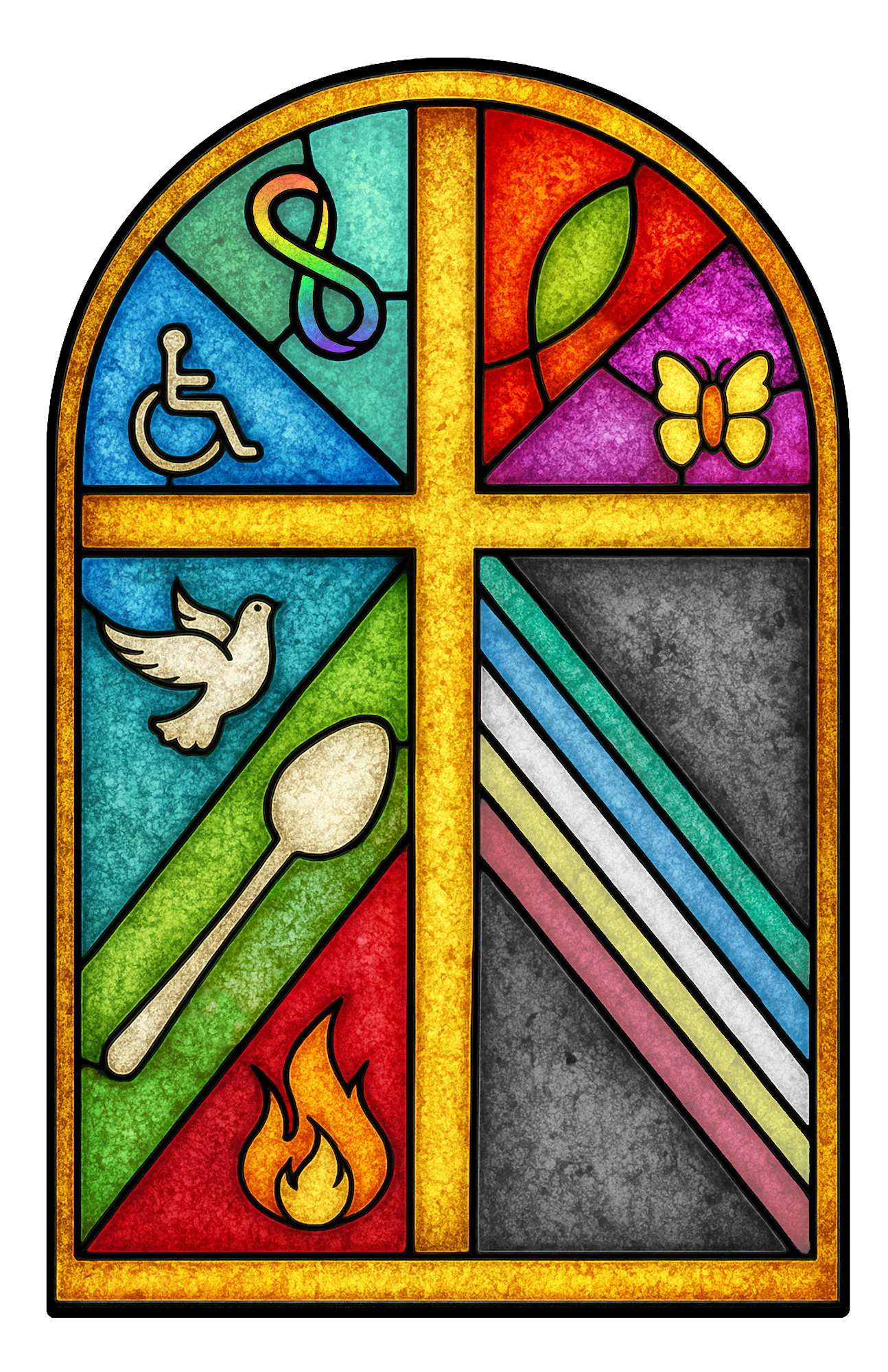
Faith, Theology, and Ministry Accessibility

Theological Foundations
Why it Matters:
The theology of a community shapes how it understands God, humanity, and belonging. When a congregation’s theology recognizes disabled people as full bearers of God’s image, it resists pity and charity-based thinking. A justice-centered theology affirms interdependence and love, guiding the church to reflect the inclusive body of Christ in all areas of ministry.
How to Do the Work:
- Practice disability theology through sermons, Bible studies, and small groups. Reflect on how scripture portrays healing and community.
- Revisit familiar stories and language that might unintentionally reinforce exclusion, and reframe them in ways that affirm dignity and shared humanity.
- Encourage theological reflection that centers disabled voices and experiences of faith.
- Invite guest preachers, scholars, or disabled leaders to speak about inclusion and access.
- Develop a statement of belief or values that names accessibility and inclusion as expressions of God’s justice and hospitality.
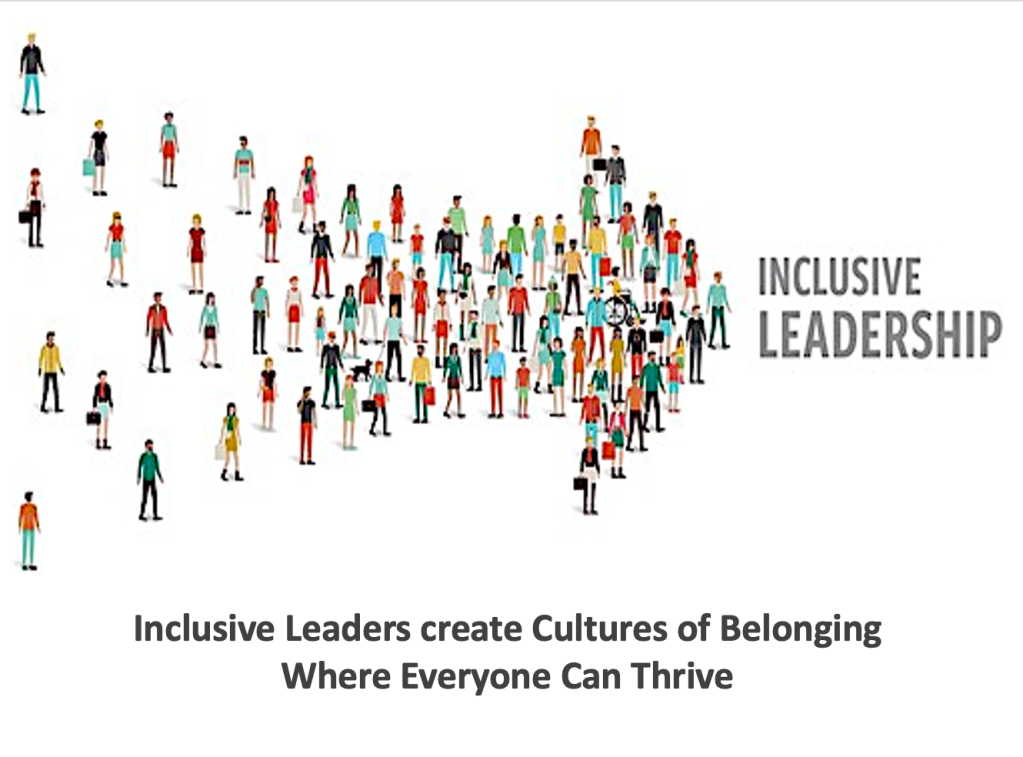
Inclusive Leadership & Representation
Why it Matters:
Leadership determines whose voices shape the life of the church. When disabled people are included in leadership, it sends a clear message that every person’s wisdom and perspective matter. Inclusion at the leadership level creates lasting change and helps ensure accessibility is built into the church’s structure, culture, and decision-making.
How to Do the Work:
- Examine leadership boards, committees, and ministry teams to identify gaps in representation.
- Proactively recruit and invite disabled members to serve in leadership, teaching, and advisory roles.
- Make leadership meetings accessible by providing captioning, interpreters, and materials in alternative formats.
- Provide mentorship and leadership development opportunities for disabled members who feel called to lead.
- Create decision-making structures that value collaboration, shared authority, and interdependence rather than hierarchy.
- Regularly review leadership practices to remove barriers related to transportation, technology, and communication.

Teaching, Formation, & Education
Why it Matters:
Education shapes how people understand faith, community, and justice. When church education is accessible and inclusive, every learner can grow in faith and contribute meaningfully to the life of the congregation. Inclusive formation ensures that no one is left out of the process of spiritual growth and belonging.
How to Do the Work:
- Review curriculum materials to ensure they use inclusive and accessible language and imagery.
- Provide materials in multiple formats such as large print, digital text, audio, or Braille.
- Offer training for teachers and volunteers on disability awareness, communication access, and inclusive teaching strategies.
- Create classroom environments that support diverse learning needs with flexible seating, quiet spaces, and visual supports.
- Incorporate lessons about disability justice, access, and interdependence into faith formation classes.
- Involve disabled members in shaping educational content and in teaching roles.
Worship & Participation
Why it Matters:
Worship is the heart of community life. It is where people encounter God and one another in shared prayer, song, and celebration. Everyone should be able to participate fully, regardless of ability. Accessible worship affirms that every person’s voice and presence enrich the gathered body of Christ.
How to Do the Work:
- Provide multiple formats for worship materials such as printed bulletins, large print versions, accessible digital copies, or Braille.
- Ensure that video or live-streamed services include accurate captions and clear audio.
- Evaluate physical access to the sanctuary, seating, and communion spaces to make sure everyone can move freely.
- Offer clear signage, sensory-friendly options, and trained greeters to support individuals with diverse needs.
- Include disabled people as worship leaders, readers, musicians, and liturgists.
- Review language used in prayers, songs, and sermons to avoid metaphors that equate disability with sin or brokenness.
- Create moments in worship that celebrate human diversity and interdependence as reflections of divine beauty.
Mission, Outreach, & Community Engagement
Why it Matters:
Mission and outreach are how the church lives out its faith in the world. An inclusive approach ensures that disabled people are not treated as recipients of charity but as equal partners in ministry. When mission work prioritizes accessibility and justice, it mirrors the inclusive love of Christ.
How to Do the Work:
- Partner with local disability organizations, advocacy groups, and independent living centers to learn from their expertise.
- Review mission and service projects to ensure they are physically, financially, and socially accessible to all participants.
- Shift from “doing for” to “working with” by inviting disabled people to lead outreach efforts and shape the church’s community vision.
- Offer volunteer opportunities and mission trips that include accessible travel, lodging, and communication supports.
- Host community events that are sensory-friendly, accessible, and open to all.
- Listen to feedback from disabled community members about how the church can be a better neighbor and advocate.
Justice, Advocacy, & Commitment
Why it Matters:
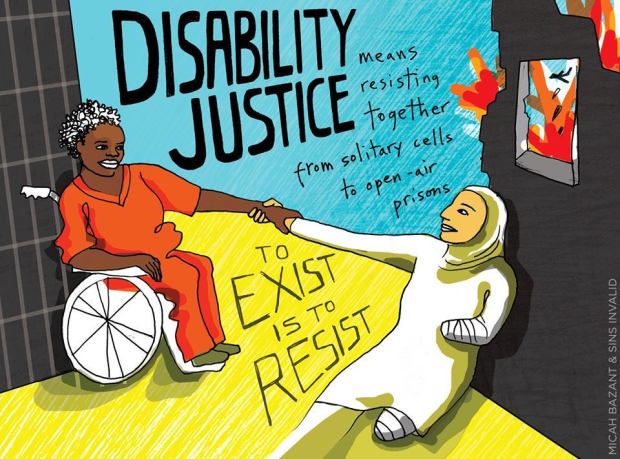
Inclusion must go beyond accessibility checklists to become a public commitment to justice. When churches advocate alongside disabled people for equality and access, they embody God’s call to love mercy and act justly. Advocacy is an expression of faith that transforms both the church and the broader community.
How to Do the Work:
- Educate the congregation about disability rights laws such as the Americans with Disabilities Act (ADA) and Section 504 of the Rehabilitation Act.
- Join or support advocacy campaigns that promote accessible transportation, housing, healthcare, and education.
- Review church policies, budgets, and long-term plans to include accessibility goals and equity measures.
- Develop a public statement affirming the congregation’s commitment to disability justice and inclusion.
- Participate in disability awareness events, rallies, or legislative advocacy days.
- Create partnerships with other congregations and organizations that are working toward justice and accessibility.
- Build accountability into your structure by tracking progress and celebrating successes in accessibility and inclusion.