
Physical & Environmental Accessibility
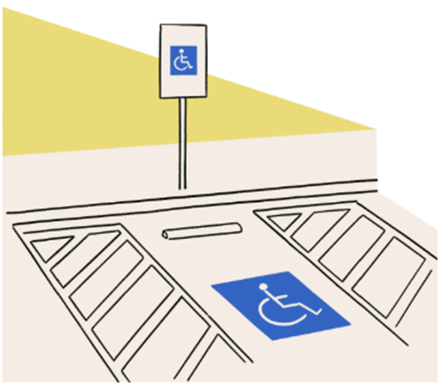
Parking & Drop-Off Areas
Why it Matters:
Accessible parking and drop-off zones make the first impression of welcome. When people can safely and easily arrive at the church, it communicates that their presence is valued. Parking access isn’t just a convenience—it’s a reflection of hospitality and equity.
How to Do the Work:
- Provide clearly marked accessible parking spaces that meet ADA width and signage requirements.
- Locate accessible spaces on the most direct, level route to the main entrance.
- Keep parking surfaces smooth, well-lit, and free from obstacles or snow buildup.
- Add curb ramps and accessible drop-off areas for vans and mobility devices.
- Ensure volunteer greeters or ushers are available to assist with drop-off when needed.
- Regularly review parking layouts and maintenance schedules to uphold safety and compliance.
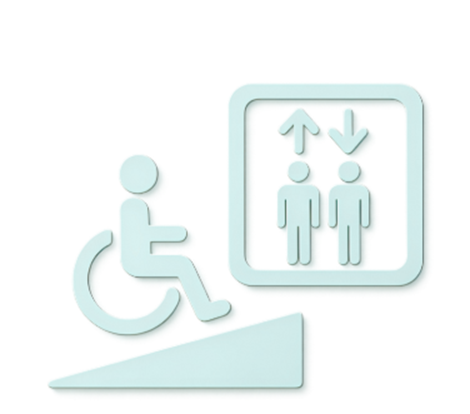
Entrances & Pathways
Why it Matters:
Entrances and pathways are the literal and symbolic doors to belonging. Everyone should be able to enter freely and without barriers. When pathways are smooth, step-free, and clearly marked, they reflect a community ready to receive all people with dignity.
How to Do the Work:
- Ensure at least one main entrance is step-free, ramped, and wide enough for wheelchair access.
- Install automatic or push-button door openers and maintain them regularly.
- Keep pathways level, slip-resistant, and free from clutter or seasonal hazards.
- Use mats that are low-pile and securely fastened to avoid tripping hazards.
- Provide adequate lighting along exterior routes and entrances.
- Post clear signage directing visitors to accessible entrances.

Seating & Gathering Spaces
Why it Matters:
Where and how people sit shapes their sense of belonging. Inclusive seating ensures that everyone—families, wheelchair users, elders, and people with sensory needs—can participate fully in worship and community life. Flexible, comfortable arrangements express true welcome.
How to Do the Work:
- Integrate accessible seating throughout the space, not isolated in one area.
- Provide seating options for people using wheelchairs, walkers, or service animals.
- Offer chairs with arms, adjustable spacing, and varied heights for comfort.
- Ensure aisles are wide and free from obstacles, including cords or furniture.
- Create sensory-friendly seating areas with lower light or reduced noise.
- Make fellowship and classroom areas equally accessible and easy to navigate.
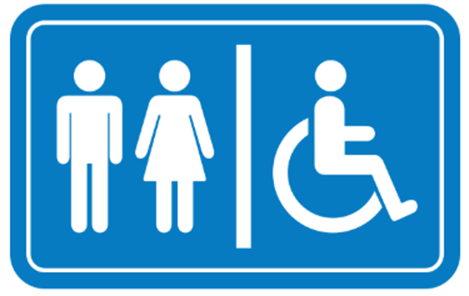
Restrooms & Changing Areas
Why it Matters:
Accessible restrooms affirm dignity and independence. When everyone can use restroom and changing facilities without barriers, the church becomes a place of true welcome and respect for bodily needs and privacy.
How to Do the Work:
- Ensure at least one fully accessible restroom on each floor or near major gathering spaces.
- Install grab bars, lever-style handles, and accessible sinks with knee clearance.
- Provide family or all-gender restrooms with changing tables and adult changing surfaces when possible.
- Keep floors dry, mirrors and dispensers within reach, and paths free from clutter.
- Use signage that clearly indicates accessibility and privacy.
- Regularly inspect restrooms to ensure features remain functional and stocked.

Lighting & Environmental Comfort
Why it Matters:
Lighting, sound, and temperature can make the difference between comfort and exclusion. Creating an environment that supports diverse sensory and physical needs shows care for the whole person and honors each person’s right to fully engage.
How to Do the Work:
- Provide consistent, glare-free lighting throughout all public areas.
- Use adjustable lighting in worship and meeting spaces when possible.
- Control background noise by maintaining HVAC systems and using sound-absorbing materials.
- Offer quiet areas for those who need sensory breaks.
- Keep indoor temperatures moderate and consistent year-round.
- Include feedback from members with sensory sensitivities when making changes to lighting or sound.

Signage & Wayfinding
Why it Matters:
Clear and accessible signage helps everyone feel confident and oriented in the space. Good wayfinding communicates care and hospitality before a single word is spoken. When people can navigate independently, it fosters comfort and inclusion.
How to Do the Work:
- Use large, high-contrast print on all signs with simple, consistent language.
- Include tactile lettering and Braille for permanent room signage.
- Provide directional signs to restrooms, elevators, accessible routes, and gathering spaces.
- Avoid visual clutter; keep signs at eye level and well-lit.
- Display clear maps or directories near entrances and main intersections.
- Use symbols (like the International Symbol of Access) to mark accessible features.

Emergency Preparedness & Maintenance
Why it Matters:
Safety is an essential expression of care. Everyone should be able to evacuate or shelter safely during emergencies. Proactive planning and maintenance protect lives and demonstrate the church’s commitment to accessibility and stewardship.
How to Do the Work:
- Develop and post emergency evacuation plans that include accessible routes and assistance procedures.
- Train staff and volunteers to assist people with mobility, sensory, or cognitive disabilities during emergencies.
- Ensure alarm systems have both audible and visual alerts.
- Keep emergency exits clear and free of obstructions at all times.
- Schedule routine maintenance checks on ramps, doors, lifts, and accessible equipment.
- Review and update emergency procedures annually or after major renovations.