Accessibility and belonging do not happen by accident. They grow when communities commit to learning together, putting that learning into practice, and creating real ways to listen and respond when harm happens. Training, accountability, and feedback are how a church moves from good intentions to trustworthy patterns over time.
This page offers guidance to help your congregation build simple, sustainable structures for ongoing learning, shared responsibility, and honest feedback about accessibility and inclusion.
Why Training and Accountability Matter
Many churches want to be welcoming but rely on a few people to “figure it out” as they go. Without shared training and clear accountability, disabled people often experience:
- Support that depends on who is on duty that day
- Policies that exist on paper but are not followed in real situations
- Hurtful comments or inconsistency that erodes trust
- Feeling like they have to do all the educating themselves
Training gives everyone a shared foundation. Accountability makes sure that commitments are more than words. Feedback keeps the church honest and responsive, especially to those who are most affected by barriers.
Building a Culture of Ongoing Training
Training is not a one-time workshop. It is a regular rhythm that helps new and long-time leaders deepen their understanding of disability, accessibility, and emotional belonging.
Who should be trained?

- Pastors and ministry staff
- Greeters, ushers, and hospitality teams
- Children, youth, and family ministry leaders
- Worship planners and tech teams
- Small group leaders, lay ministers, and pastoral care teams
- Security, facilities, and building volunteers
What should training cover?

- Basic disability concepts and ableism
- Respectful interaction and language
- Privacy, consent, and confidentiality
- How to respond to access requests and accommodation needs
- Trauma-informed and sensory-aware practices
- How to receive feedback and repair harm
Making training accessible

- Provide materials in multiple formats (print, digital, large print, audio, captioned video where possible).
- Offer training at different times or online to include volunteers with varied schedules and access needs.
- Pay or honorarium disabled trainers or consultants when possible, especially if they are not staff.
Simple Training Models for Churches
You do not need a complicated program to start. Consider one or more of these patterns:
- Annual accessibility training for all staff and key volunteers.
- Short “accessibility moments” at regular ministry leader meetings, focusing on one practical topic at a time.
- Onboarding modules for new volunteers that include basic accessibility, consent, and language guidance.
- Story-based learning that centers the experiences of disabled people in your community or from disability-led resources.
Whatever model you choose, name who is responsible for scheduling and updating training so it does not depend on one person always remembering.
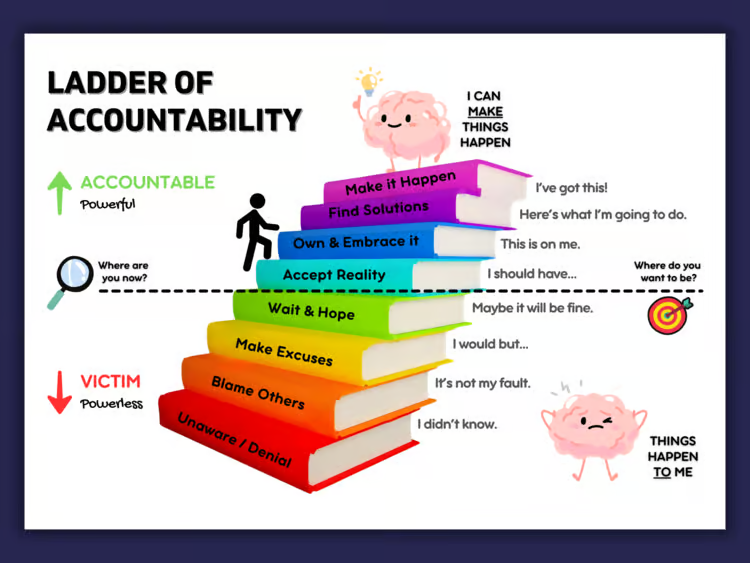
Accountability: Turning Values into Practice
Accountability answers the question, “What happens if we forget, fall short, or cause harm?” A church that takes accessibility seriously will:
- Make clear commitments in writing
- Communicate those commitments publicly
- Describe what people can do if a commitment is not honored
- Respond with action, not defensiveness, when concerns are raised
Concrete accountability steps
- Written commitments: Post your accessibility and inclusion values on your website and in key building spaces.
- Clear roles: Name who is responsible for accessibility (for example, an accessibility team, a staff role, or a committee).
- Follow-up process: Create a simple process for how concerns are received, who reviews them, and how decisions are communicated.
- Regular review: Set a yearly time where leadership reviews accessibility practices and feedback and makes concrete changes.
Modeling accountability from the front
Leaders can build trust by:
- Admitting when they learn something new and change their approach
- Correcting ableist language or practices, even briefly, in public settings
- Thanking people who offer critique or bring up gaps
When accountability is visible, disabled people and others who have been harmed by churches in the past can see that this community is serious about doing better.
Feedback: Making It Safe to Speak Up
It is impossible to fix what you cannot see. Disabled people often notice gaps and barriers that others miss. Churches need real, safe ways for people to share what is not working and what is needed.
Creating accessible feedback channels
- Anonymous options: Provide a simple online form and a physical comment box for those who prefer not to attach their name.
- Named options: Clearly list who people can contact directly about accessibility concerns or ideas.
- Multiple formats: Invite feedback verbally, in writing, through email, or text, depending on what is accessible for people.
- Regular invitations: Build feedback invitations into announcements, newsletters, and small group questions.


Responding well to feedback
- Thank the person for trusting you with their experience.
- Take the concern seriously without dismissing it as “just one person.”
- Share next steps when possible, even if the full solution will take time.
- Be honest about limits, but avoid using limits as an excuse not to change anything.
A simple phrase such as, “Thank you for telling us this. We are glad you spoke up. Here is what we can do next,” can go a long way toward rebuilding trust.
Real-Life Scenarios
Scenario 1: A Volunteer Training Gap
What happened: A new greeter repeatedly touches people’s mobility devices and does not ask before offering physical help.
Impact: Some members feel unsafe or disrespected at the door.
Better practice: The church offers a short accessibility training for all greeters, including asking before helping and respecting devices as part of a person’s personal space. The leader checks in with those who were affected and apologizes.
Scenario 2: No Clear Feedback Path
What happened: A disabled congregant experiences sensory overload during worship because the music volume is extremely loud, but does not know whom to tell.
Impact: They begin attending less often and feel that their needs do not matter.
Better practice: The church posts clear information in the bulletin and on slides about how to share access needs and feedback, and takes steps to offer quieter seating areas or earplugs.
Scenario 3: A Broken Promise
What happened: The church promises that captioning will always be available for livestreams, but it is sometimes forgotten.
Impact: Deaf and hard of hearing members cannot reliably participate and feel that their access is optional.
Better practice: Leadership names the mistake, apologizes, and updates the process so that captioning is part of the standard checklist for worship tech. Someone is specifically assigned to confirm it each week.

Helpful Phrases and Scripts for Leaders
These short phrases can help leaders respond in ways that build trust instead of defensiveness:
- “Thank you for telling us this. We are grateful you spoke up.”
- “You should not have had to experience that here. We are sorry, and we want to learn from this.”
- “Here is what we can change right away, and here is what may take more time.”
- “We will follow up with you by [time frame] to let you know what steps we have taken.”
- “We want this church to be accessible and safe for you. Your feedback helps us move closer to that vision.”
Resources for Continued Learning
These resources can support your training and accountability work:
- Disability-led organizations such as the Autistic Self Advocacy Network (ASAN) and the Disability Visibility Project, which offer stories, guides, and training materials from disabled perspectives.
- Safe church and vulnerable adult policies from your denomination, which can often be adapted to include disability-specific accountability and feedback processes.
- Mental Health First Aid or similar programs that teach how to support people in crisis in ways that respect dignity and boundaries.
- Local disability organizations or advocates who can partner with your church to lead training or consult on policy and practice.
As you learn from these resources, remember that the most important teachers are often disabled people already connected to your community. When their insights are taken seriously and resourced well, the whole church becomes more just, loving, and accessible.