Not everyone communicates the same way, and traditional phone calls are not accessible to many disabled people — including Deaf and hard-of-hearing individuals, people with speech differences, cognitive processing needs, anxiety, or chronic pain. Churches that provide multiple communication options create a more welcoming and responsive community. When people can reach the church in the way that works best for them, they experience dignity, comfort, and belonging.
This page offers guidance for making telephone, text, and relay communication accessible, respectful, and responsive for all members.
Why Accessible Phone & Text Communication Matters
- Many Deaf or hard-of-hearing people use relay services instead of standard voice calls.
- Some people with anxiety or speech differences prefer text-based communication.
- People with cognitive disabilities may need simplified instructions or visual follow-up.
- Phone menus and voicemail systems are often inaccessible for people with processing differences or visual impairments.
- If a church is difficult to contact, people may feel excluded or assume their presence does not matter.
Offering multiple, accessible communication options tells people: “We want to hear from you, and we’ve considered your access needs.”
Providing Clear, Accessible Contact Options
Every communication channel should be listed in all church materials, including bulletins, newsletters, websites, social media, and signage.
Include:
- Voice phone number
- Text/SMS number
- Relay-friendly phone line (standard lines work, but must be staffed by people trained to accept relay calls)
- Online contact form with accessible fields and simple language
Members should never have to dig for contact info. Simple, clear, and visible contact pathways increase participation and help people feel welcome.
Best Practices for Telephone Communication
Keep phone systems simple
- Avoid complex phone menus or long automated messages.
- Provide a clear option to reach a live person or leave a voicemail.
- Speak clearly and slowly when recording voicemail greetings.
Accessible voicemail greetings
Use plain language and provide alternate contact options.
Example:
“Thank you for calling. If you prefer to text or email, you can reach us at ___ or ___. If you are using a relay service, please continue as normal. We look forward to hearing from you.”
Staff and volunteer training
- Teach frontline staff how to respectfully answer relay calls without hanging up.
- Train staff not to rush callers who take extra time to speak or process.
- Encourage patience and kindness, especially with people who use communication aids.


Text Messaging (SMS) as an Inclusive Option
Texting is often the most accessible and comfortable communication for disabled people. It allows:
- People with speech differences to communicate clearly
- People with anxiety or trauma histories to reach out without pressure
- Individuals with hearing loss to communicate without relying on audio
- People with chronic illness to communicate on their schedule and energy level
- Faster response times for simple questions or confirmations
To make texting accessible:
- Use a church phone number that supports SMS (not just a landline).
- Publicize that texting is an option for general requests, questions, and accessibility needs.
- Use plain, concise language in responses.
- Confirm action steps in writing (“Your request is noted; we will follow up by ___”).
Texting is a vital access tool for many disabled people. Treat it as a primary—not secondary—communication option.
Relay Communication (VRS, TTY, IP Relay)
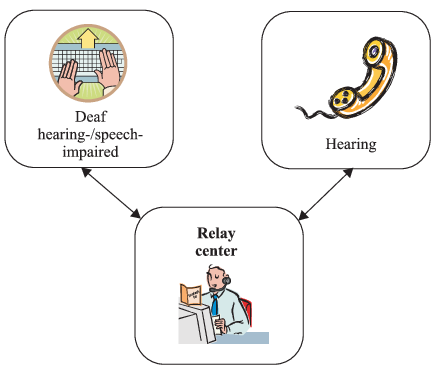
Relay services allow Deaf, hard-of-hearing, speech-disabled, or DeafBlind individuals to communicate via phone through interpreters or text-based systems.
Common relay types include:
- VRS (Video Relay Service) — uses ASL and a video interpreter
- VCO/HCO relay — voice carry-over and hearing carry-over
- TTY relay — typed text devices
- IP Relay — online text services
Church staff must be trained to:
- Recognize a relay call and avoid hanging up
- Speak directly to the caller, not the interpreter
- Allow pauses for interpretation
- Maintain confidentiality and respect
Accidentally hanging up on relay users is one of the most common barriers Deaf community members experience with churches — and it’s entirely preventable with simple training.

Responding to Communication Needs With Care
Some people may request alternate ways of receiving information or prefer written/visual follow-up.
- Offer event details via text or email for those who didn’t catch verbal announcements.
- Provide written instructions for building navigation, schedules, or service details.
- Use communication cards or forms for those who prefer not to speak aloud.
- Respect people’s timing — responses may come later due to disability or energy limits.
Communication access is not about convenience—it’s about creating genuine safety and inclusion.
Real-Life Scenarios
Scenario 1: A Deaf member calls via relay and staff repeatedly hang up
Impact: The member feels rejected, unheard, and unable to receive needed information.
Better practice: Train staff to accept relay calls, speak directly to the caller, and avoid rushing.
Scenario 2: A person with anxiety avoids calling the church
Impact: They do not sign up for events or request needed accommodations.
Better practice: Publicize text messaging as a valid contact method and respond promptly.
Scenario 3: A visually impaired member cannot navigate phone menus
Impact: They do not reach the right person and feel frustrated.
Better practice: Simplify phone menus and include alternate contact info in the voicemail greeting.
Quick Checklist:
Telephone, Text, & Relay Accessibility
- We clearly list phone, text, email, and relay-friendly contact options in all materials.
- Our staff and volunteers are trained to accept and handle relay calls respectfully.
- We provide text messaging as an official communication option.
- Voicemail greetings use clear, plain language and offer alternate contact methods.
- Phone menus (if any) are simple and accessible.
- We follow up important information in writing so it can be accessed in multiple formats.
- We respond with patience, clarity, and respect to different communication styles.
- We encourage feedback about communication barriers and address them promptly.
Resources for Continued Learning
- FCC Guide to Relay Services — Overview of available relay types and how they work
- National Deaf Center — Information on communication access and Deaf cultural practices
- ADA National Network: Effective Communication — Guidance on accessible communication
- Resource UMC: Using Text Messaging for Churches— SMS & church communication
Together, these tools can help your church build communication systems that work for everyone and reduce the barriers that often prevent disabled people from fully participating in church life.