A truly welcoming church starts with entrances and pathways that are safe, step-free, clearly marked, and easy to navigate. From parking lots and sidewalks to doors, ramps, and lobbies, each part of the route into the building communicates something about who is expected and who is welcome.
This page provides practical guidance for creating accessible entrances and pathways that support mobility, safety, orientation, and dignity for everyone who arrives. The examples included here reflect only a selection of key ADA requirements. For the full set of standards and technical details, please refer to the official ADA Standards for Accessible Design linked throughout this section.
Why Entrances & Pathways Matter
The journey from parking area to sanctuary can be one of the biggest barriers for disabled people. Uneven surfaces, lack of ramps, unclear signage, and heavy doors can cause pain, exhaustion, or make entry impossible.
Accessible entrances and pathways:
- Ensure people who use mobility devices, walkers, canes, or scooters can reach the door safely
- Support visually impaired individuals through clear signage and predictable layouts
- Reduce fall risks for seniors and those with balance issues
- Provide dignity and independence for people entering the building alone
- Create safer access for families with strollers, kids, or people carrying equipment
Barriers at the entrance send a message long before a person reaches the sanctuary. Thoughtful design communicates care, preparation, and welcome.
Clear, Predictable Pathways
Every route from parking, sidewalks, or drop-off zones should have a smooth, consistent, and accessible path to at least one primary entrance.
Best practices:
- Smooth and stable surfaces: Avoid gravel, deep cracks, uneven bricks, or torn carpeting.
- Slip-resistant materials: Especially near ramps, stairs, and exterior doorways.
- Clear width: Pathways should be wide enough for mobility devices (minimum ~36–48 inches).
- Good lighting: Pathways should be well-lit for evening services and events.
- Free of obstacles: Remove clutter, décor, snow, leaves, mats, and trip hazards.
- Curb cuts and ramps: Where sidewalks meet curbs or changes in elevation.
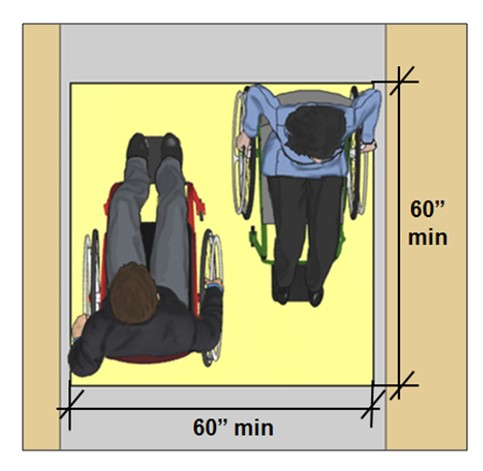
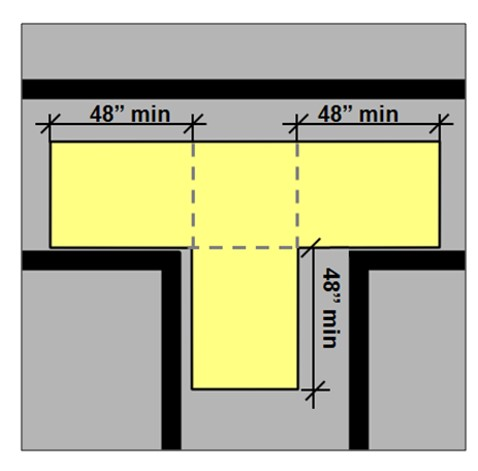
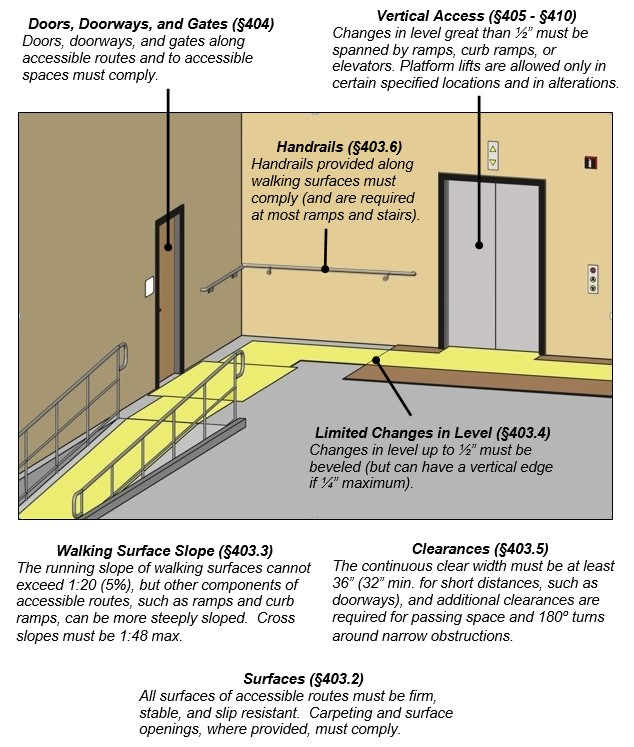
Think of pathways as “welcome lanes” — they should be direct, safe, and usable for everyone.
U.S. Access Board: Chapter 4: Accessible Routes
Accessible Entrances
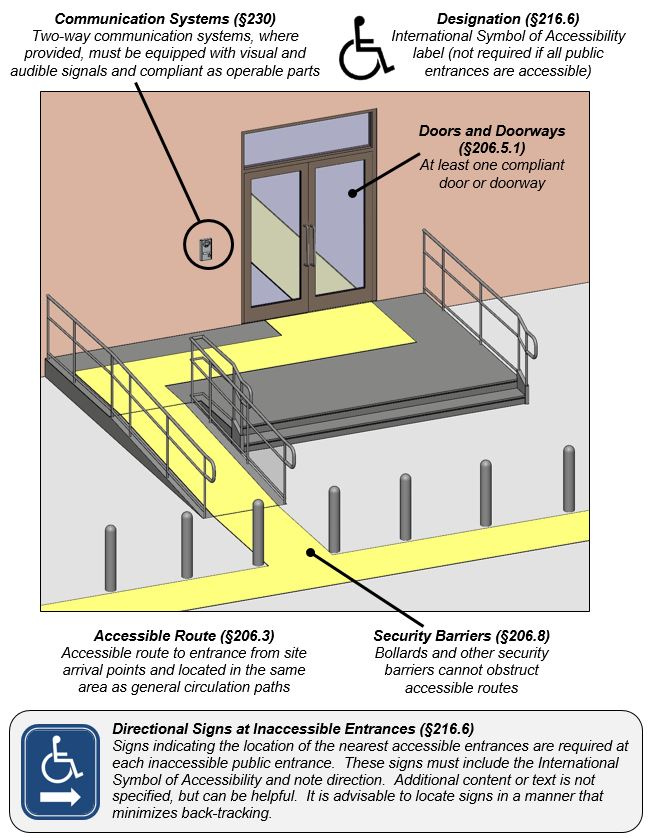
Every church should have at least one public, step-free entrance that is easy to find, clearly marked, and usable without assistance.
Essential features include:
- No steps or thresholds higher than a half inch
- Ramps with a gentle slope (ideally 1:12 or better)
- Handrails on both sides of ramps or stairs
- Automatic door openers or push-button assisted entry
- Weather coverage when possible to prevent slipping or exposure
- Wide doors (minimum 32 inches clear width)
- Level landing space at doorways and resting points
- Entrance mats that are flat, stable, and slip-resistant
Entrances should feel intuitive and low-effort — not like an obstacle course.
U.S. Access Board: Chapter 4: Entrances, Doors, and Gates
U.S. Access Board: Chapter 4: Automatic and Power-Assisted Doors and Gates
Ramps, Steps, & Handrails
Ramps
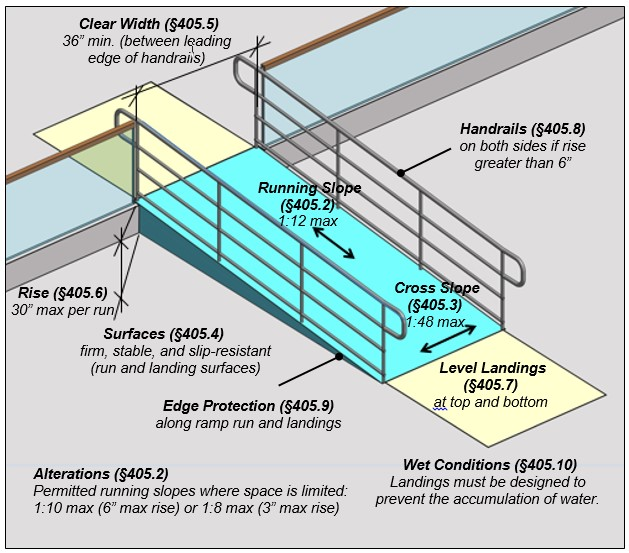
- Use gentle slopes (1:12 recommended; longer is better)
- Maintain smooth surfaces with no cracks or loose boards
- Provide handrails on both sides
- Ensure secure edges or low barriers along open sides
- Keep ramps free of leaves, snow, ice, and debris
Ramps and steps must be safe, stable, and clearly marked.
U.S. Access Board: Chapter 4: Ramps and Curb Ramps
Steps
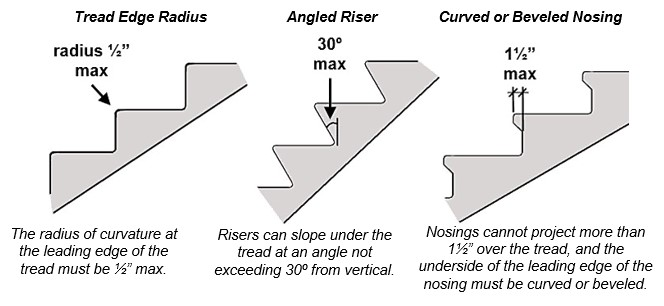
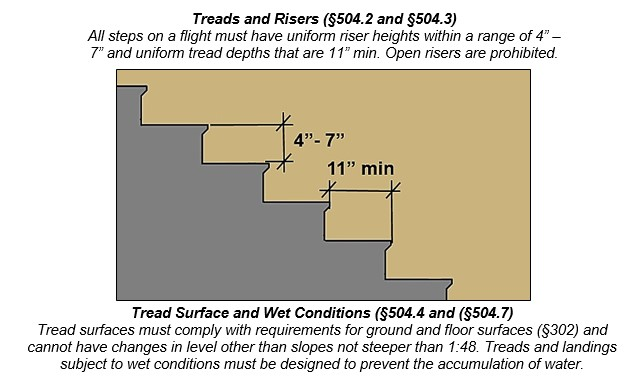
- Use contrasting color tape or paint on step edges
- Install sturdy handrails
- Provide an alternate step-free entrance nearby
U. S. Access Board: Chapter 5: Stairways
Doors & Thresholds
Doorways should support independence and minimize physical strain.
Best practices include:
- Automatic door openers whenever possible
- Lever-style handles instead of knobs
- Low-force doors that require minimal strength to open
- Clear glass markers or decals so doors are visible
- Flat thresholds or gentle bevels instead of abrupt transitions
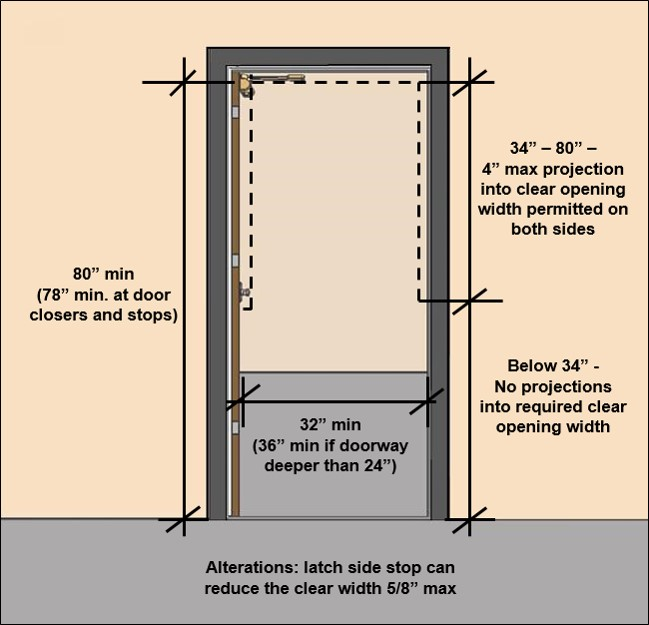
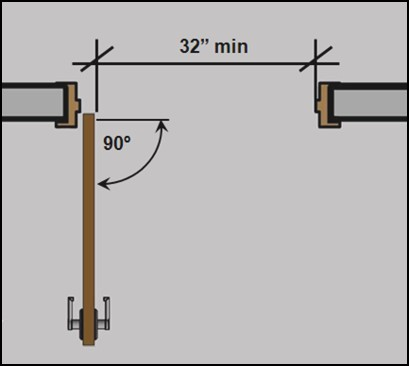
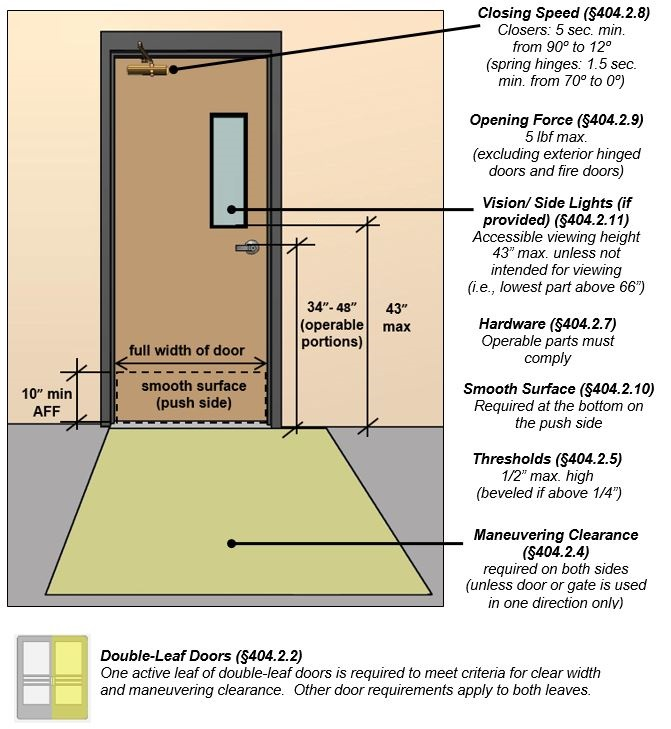
U.S. Access Board: Chapter 4: Doors, Doorways, and Gates
U.S. Access Board: Chapter 4: Automatic and Power-Assisted Doors and Gates
Real-Life Scenarios
Scenario 1: The only step-free entrance is unmarked
Problem: A person using a wheelchair spends several minutes searching for an accessible door while others enter through stairs.
Better practice: Clearly mark the accessible entrance with high-contrast signage and provide directional signs from the parking lot.
Scenario 2: Heavy doors make entry impossible without help
Problem: A visitor with limited strength cannot open the door independently.
Better practice: Install automatic door openers or reduce door pressure; train greeters to monitor accessibility needs.
Scenario 3: Uneven path causes a fall risk
Problem: A visually impaired member trips on an uneven walkway.
Better practice: Repair cracks, smooth surfaces, improve lighting, and mark edges with high-contrast paint.
Quick Checklist: Entrances & Pathways
- At least one primary entrance is fully step-free and easy to locate.
- Pathways from parking/drop-off to the entrance are smooth, stable, and obstacle-free.
- Ramps have safe slopes, handrails, and clear edges.
- Doors are wide, light to open, and ideally automatic.
- Lighting is consistent and bright enough for evening access.
- Signage points clearly to accessible entrances and interior destinations.
- Entry mats are low-pile, secure, and do not create trip hazards.
- Interior entry areas are uncluttered, clearly marked, and sensory-considerate.
Resources & Further Guidance
- U.S. Access Board ADA Accessibility Standards
ADA Standards - ADA Checklist for Existing Facilities (Addresses entrances, ramps, routes, door clearances, and signage.)
ADA Checklist - Inclusive Design Toolkit — guidance for wayfinding, navigation, and user-friendly spaces.
Inclusive Design Toolkit
Entrances and pathways communicate whether your church expects disabled people to be there. When they are accessible, clearly marked, and easy to navigate, they say: “This community has prepared space for you — and we’re glad you’re here.”