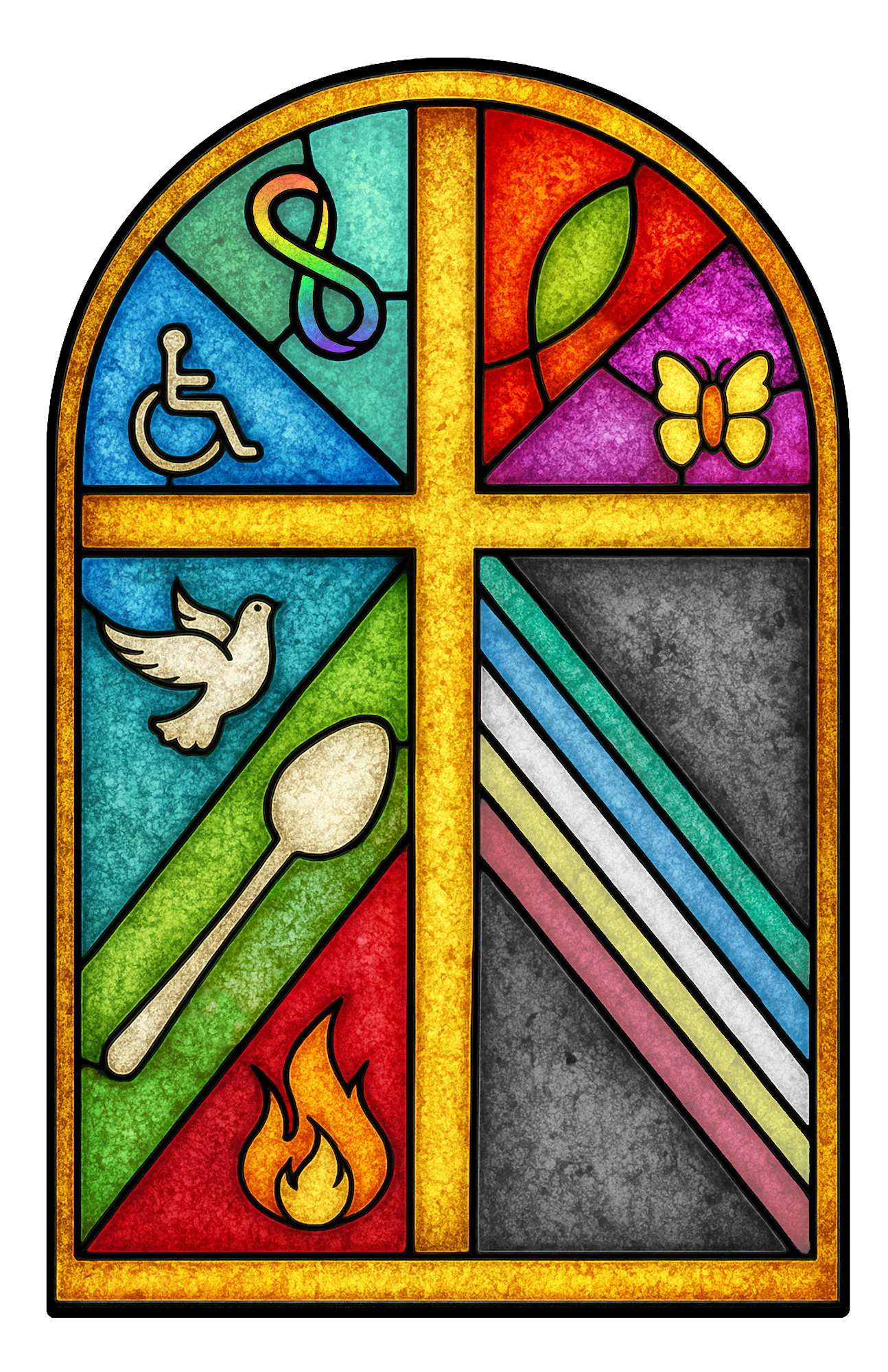
Accessibility is not only a legal or practical responsibility — it is a theological commitment that flows from the heart of the Gospel. Christian communities are called to create spaces of belonging where every person’s body, gifts, and presence are valued. This vision does not treat accessibility as “helping the less fortunate,” but as a core expression of discipleship, justice, and mutual care.
This page highlights theological principles that ground Accessible Church practices and shape how faith communities imagine, design, and live out hospitality for all people.
Every Body Bears the Image of God
Christian theology affirms that all people are created in the image of God. Disability does not diminish this image; instead, it expands our understanding of God’s diversity and creativity.
- Disabled bodies reflect the beauty, complexity, and variety of God’s creation.
- Communities learn more about God when every body is present and valued.
- Accessibility is a response to inherent dignity — not pity, charity, or special treatment.
Belonging begins with affirming that each person’s embodied presence is holy.
Jesus’ Ministry Centers People on the Margins
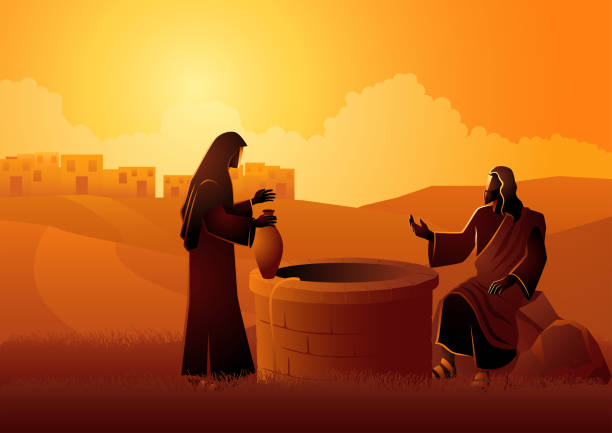
The Gospels show Jesus consistently moving toward people who were excluded, stigmatized, or structurally kept out. His healing stories are not about fixing disability, but restoring community, dignity, and participation.
- Jesus challenges social barriers that prevent people from belonging.
- He prioritizes welcome, presence, and inclusion over purity, status, or ease.
- The church continues this movement by removing barriers that separate people today.
Accessibility is a ministry of liberation, grounded in Jesus’ patterns of solidarity and welcome.
The Body of Christ Needs Every Member
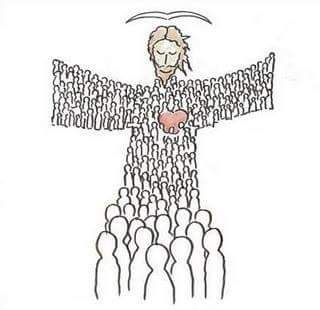
Paul’s teachings remind us that the church is a body where every member is indispensable. If one part is excluded, the whole is diminished.
- Disability is part of the church’s life — not a problem to manage.
- Each person contributes wisdom, insight, prayer, leadership, and presence.
- Accessibility enables the body of Christ to function as God intends: interconnected and interdependent.
Churches thrive when disabled people are fully engaged in worship, leadership, ministry, and decision-making.
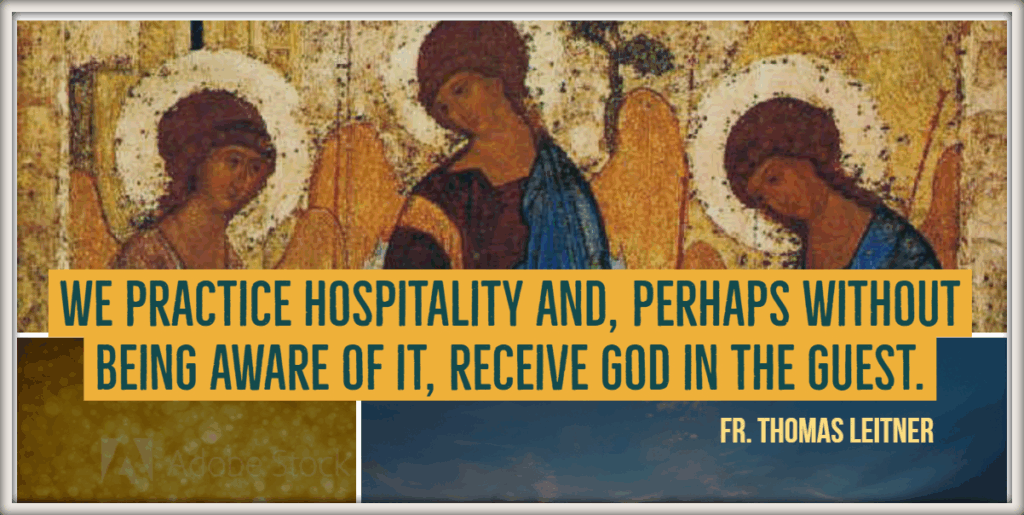
Hospitality as Holy Practice
Biblical hospitality is not about entertaining guests — it is about creating spaces where strangers become neighbors and neighbors become kin. True hospitality makes room for difference, need, and complexity.
- Accessibility is an embodied expression of hospitality.
- Preparing spaces with disabled people in mind shows care, welcome, and anticipation.
- Hospitality requires listening, learning, and restructuring practices to remove barriers.
Accessibility becomes a spiritual discipline that shapes how communities host one another.
Justice, Repair, and Right Relationship
Many disabled people have been excluded, harmed, or ignored by churches. Accessibility is part of the work of repair — mending relationships and building communities rooted in justice and equity.
- Justice requires addressing physical and cultural barriers.
- Communities must name harm and take active steps toward repair.
- Accessibility becomes a commitment to fair structures, not temporary accommodations.
This reflects God’s desire for communities where all people flourish.
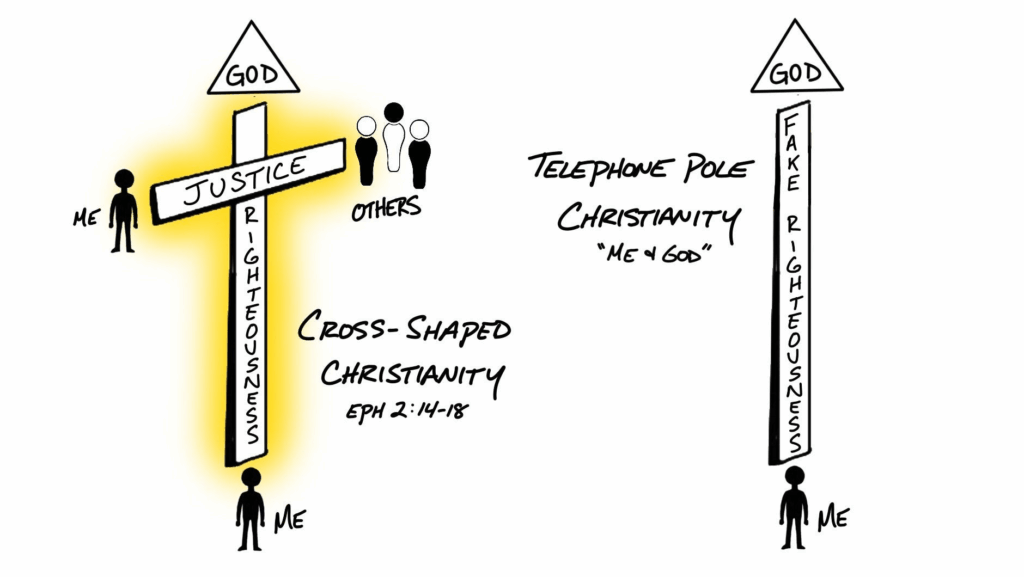

Interdependence as a Spiritual Value
Christian community is built on mutual care rather than independence or self-sufficiency. Interdependence honors the truth that all people rely on one another.
- Accessibility enables communities to practice shared responsibility.
- Needing help is not a weakness; it is part of human life.
- Disabled and nondisabled people alike both give and receive care.
Interdependence forms a stronger, more authentic community of discipleship.
Quick Summary of Theological Commitments
- All people bear God’s image.
- Jesus centers excluded people and disrupts barriers.
- The body of Christ needs every member’s gifts.
- Hospitality requires preparation and structural welcome.
- Justice and repair address past and present exclusion.
- Interdependence reflects God’s design for community.
Resources & Further Reading
- Nancy Eiesland – “The Disabled God”
A foundational work reimagining disability in Christian theology. - Sharon Betcher – “Spirit and the Politics of Disablement”
A powerful exploration of embodiment, justice, and theology. - John Swinton – Disability, time, and belonging
Helpful for understanding theological hospitality and care.
Accessibility is not an optional feature of Christian life — it is an expression of who God is and who we are called to be. Grounding accessibility in theology strengthens the church’s commitment to belonging, justice, and shared flourishing.