
Mission and outreach are core expressions of the church’s identity. They reveal how congregations live out the Gospel beyond their walls — through service, partnership, justice work, and community presence. When disabled people are not included in mission efforts, leadership, or planning, the church unintentionally communicates that disabled people are only recipients of ministry rather than full participants in God’s ongoing work.
Accessible mission and engagement practices ensure that disabled people are both partners and leaders in the work of serving the world.
Why Accessibility Matters for Mission & Outreach
Mission is not simply what the church does — it is who the church is. For outreach and community engagement to be faithful expressions of the Gospel, they must be shaped by equity, justice, and disability inclusion.
- Disabled people should be active co-laborers in mission, not sidelined or overlooked.
- Outreach efforts should reflect the diversity of the community and world.
- Mission practices must avoid paternalism, charity models, or savior narratives.
- Accessibility opens the door for broader community participation in service.
When disabled people are fully involved, mission work becomes richer, more ethical, and more grounded in justice.

Inclusive Participation in Service & Community Projects
Service opportunities often assume physical abilities, flexible schedules, or unlimited energy. Many disabled people want to participate in outreach — but need access, support, or adapted roles.
Make service accessible by offering:
- Multiple roles (planning, administration, communication, virtual support)
- Flexible timelines and asynchronous participation
- Hybrid or online volunteer options for people who cannot attend in person
- Partnership roles that use people’s strengths rather than physical labor
- Clear expectations communicated in multiple formats
- Transportation support or accessible meeting locations
Service should be collaborative and adaptable, not strenuous or inaccessible.
Avoiding Pity- or Charity-Based Outreach
Outreach grounded in pity or “helping the needy” can reinforce harmful stereotypes about disabled people. Instead, congregations should embrace models grounded in dignity, justice, partnership, and mutual learning.
Healthy outreach practices:
- Use language that respects agency and self-determination.
- Collaborate with disabled-led organizations and community leaders.
- Replace “service to” models with “service with” and “solidarity with.”
- Acknowledge and challenge ableist assumptions in mission materials.
- Ensure disabled people guide decisions about disability-related outreach.
Mission rooted in justice strengthens relationships rather than reinforcing power imbalances.


Partnerships with Disability-Led Organizations
Many communities already have strong disability-led organizations doing justice, advocacy, education, and service work. Churches can support and learn from these groups rather than reinventing the wheel.
Meaningful partnerships might include:
- Co-hosting events, trainings, or educational programs
- Offering space, funding, or volunteers for disability-led initiatives
- Supporting campaigns created by disabled leaders
- Building long-term relationships with local and regional disability organizations
Partnerships grounded in respect expand impact and deepen community ties.
Mission Events That Prioritize Access
Community meals, service days, outreach events, and partnership programs should be designed with accessibility at the forefront.
Accessible event planning includes:
- Accessible venues with step-free entry and accessible restrooms
- Space for service animals and mobility aids
- Quiet or low-sensory areas for retreats or large gatherings
- Accessible food options (labeled allergens, seating variety, tray assistance)
- Transportation support or carpools with accessible vehicles
- Volunteer roles adapted to diverse abilities
Accessibility expands who can serve — and who can be served.

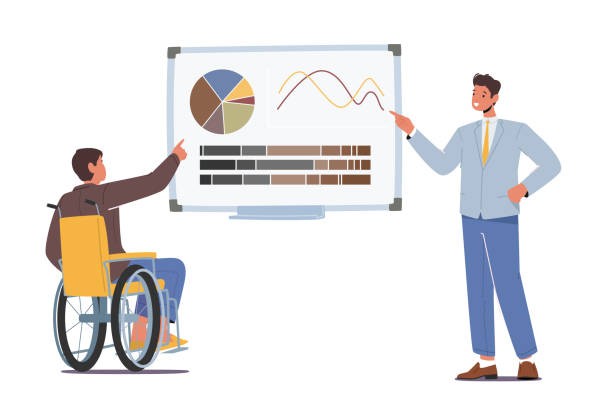
Disabled Leadership in Mission Work
Disabled people bring essential wisdom to outreach and engagement. Their experiences broaden the church’s imagination for justice, creativity, and service.
Examples of inclusive leadership:
- Disabled congregants serving on mission committees
- Partnering with disabled-led organizations as co-equals
- Inviting disabled people to shape outreach goals and project priorities
- Ensuring leadership roles include accessible meetings, support, and flexible expectations
Representative leadership ensures mission is grounded in justice, not charity.
Real-Life Scenarios
Scenario 1: Community service project requires heavy lifting
Problem: Disabled members cannot physically participate and feel sidelined.
Better practice: Provide leadership, planning, communication, or remote roles as equal forms of service.
Scenario 2: Outreach uses harmful disability stereotypes
Problem: Mission materials frame disabled people as “objects of help.”
Better practice: Use language that upholds dignity, agency, and partnership.
Scenario 3: Community event is held in an inaccessible building
Problem: Disabled leaders and participants cannot attend.
Better practice: Choose accessible venues and communicate access details clearly.
Quick Checklist:
Mission, Outreach, & Community Engagement
- Disabled people participate as leaders, volunteers, and partners.
- Service opportunities include accessible roles and flexible options.
- Outreach avoids pity, charity, or ableist messaging.
- Partnerships with disability-led organizations guide mission efforts.
- Communications and sign-ups are accessible and clear.
- Events and service projects are accessible in space, structure, and expectations.
- Disabled voices help shape mission priorities and discernment.

Resources & Further Support
- National Council on Independent Living (NCIL)
Disability-led advocacy, leadership, and community engagement resources.
NCIL Website - Autistic Self Advocacy Network (ASAN)
Resources on self-advocacy, leadership, and community organizing.
ASAN - Local Centers for Independent Living
Community partnerships and disability-led insights for outreach.
Mission becomes a powerful expression of God’s justice when disabled people help shape, lead, and participate in it fully. When accessibility becomes part of outreach, the church’s service becomes more faithful, more relational, and more transformative.