
Belonging grows when people feel free to participate in ways that honor their bodies, energy, and needs. Many disabled people come from environments where their autonomy was questioned or where comfort was treated as a luxury rather than a basic part of inclusion. Churches can model something different: a community that trusts people to know what works for them and adapts its practices so everyone can participate without shame or strain.
This page offers guidance to help your congregation create worship, ministry, and social spaces that are flexible, spacious, and grounded in respect for each person’s autonomy.
Why Autonomy and Comfort Matter
Disabled people often experience expectations to “push through,” “keep up,” or “pretend everything is fine.” When churches unknowingly reinforce these expectations, it can cause:
- Physical pain or sensory overload
- Emotional exhaustion or shutdown
- Anxiety about being judged or misunderstood
- Choosing absence over discomfort
Autonomy is not about individualism. It is about dignity — giving people the freedom to access worship and community without sacrificing their comfort, safety, or self-determination.
Trusting People to Name Their Own Needs
A core principle of disability inclusion is that people know their own bodies and limits best. Churches can support this by:
- Believing people when they say what they need, even if the need is unfamiliar
- Accepting “no” or “not today” without pressure or guilt
- Avoiding assumptions about ability, fatigue, pain, or sensory capacity
- Letting people choose how they participate — standing, sitting, pacing, stepping out, or joining remotely
The goal is to create a community where people do not have to earn comfort by explaining or justifying their needs.
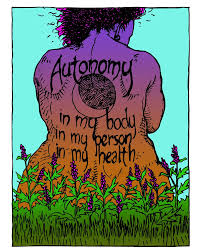

Comfort as a Welcome, Not a Disruption
Comfort is often framed as optional or “extra,” especially in religious spaces where endurance is valorized. But comfort is central to participation, especially for disabled and neurodivergent people.
Ways churches can normalize comfort:
- Encouraging people to sit, stand, or move as they need
- Allowing people to take breaks without drawing attention to it
- Providing seating options: chairs with arms, soft seating, floor space, benches, or areas for lying down if needed
- Allowing quiet fidgeting, stimming, or movement that helps regulate the body
- Offering flexible arrival and departure — no need to explain why someone is late or leaves early
Comfort-oriented communities often feel calmer and more spacious for everyone, not just disabled people.
Flexibility in Worship and Community Life
Rigid expectations about posture, attention, timing, or behavior can create barriers. Flexibility opens room for more people to fully participate.
Examples of flexible practices:
- Movement freedom: Allowing pacing, stretching, changing seats, or stepping out without stigma.
- Flexible liturgical cues: Inviting — not requiring — people to stand, kneel, bow their heads, or close their eyes.
- Multiple participation modes: Offering printed, digital, and spoken instructions or liturgy.
- Sensory options: Earplugs, low-stim seating areas, dimmer lighting zones if possible.
- Alternative timing: Recognizing that some people may need to join late, leave early, or watch online from home.
Flexibility does not dilute worship. It expands it — making room for a wider body of Christ to take part.
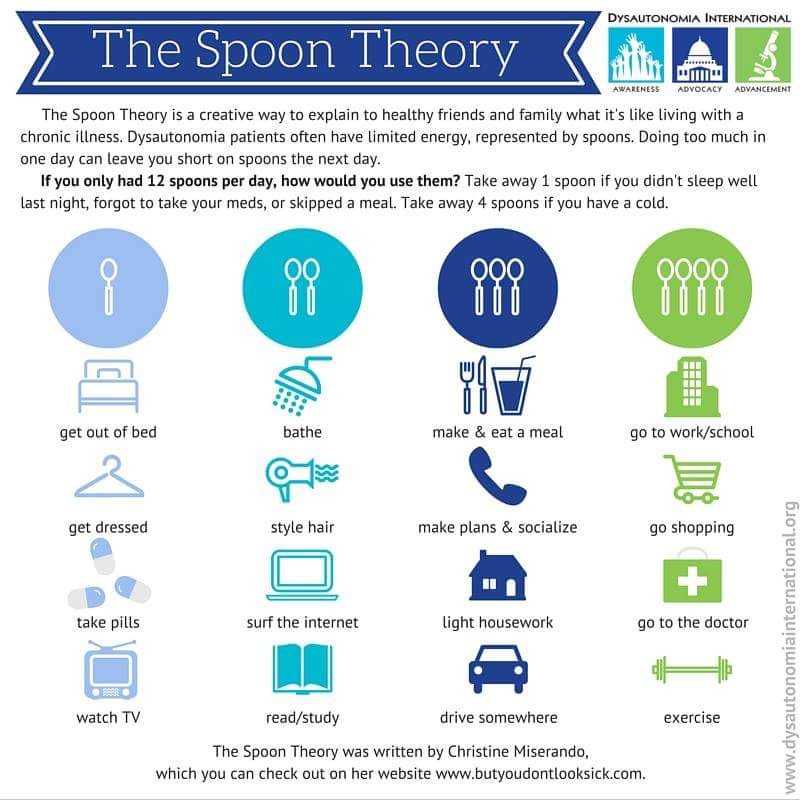
Respecting Energy Limits (Spoon Theory)
Many disabled and chronically ill people manage limited energy, sometimes known as “spoons.” Churches can respect energy limits by:
- Keeping events at manageable lengths
- Providing seating during standing portions of worship
- Creating break spaces away from noise and crowds
- Offering low-engagement roles or volunteer opportunities
- Letting people participate without overcommitment pressure
Honoring energy limits communicates, “Your presence matters. You do not need to push yourself to belong.”

Examples of Autonomy-Supporting Language
- “Feel free to sit, stand, or move as your body needs.”
- “You are welcome to come and go throughout the service.”
- “Take your time — there’s no need to rush.”
- “Let us know how you prefer to participate today.”
- “You do not have to explain your reason for stepping out.”
Simple phrases like these shift the emotional atmosphere from expectation to invitation.
Real-Life Scenarios
Scenario 1: Needing to Move
What happened: A neurodivergent member begins pacing quietly at the back of the sanctuary during the sermon.
Impact when unsupported: Other congregants stare; a volunteer asks them to sit still; person feels unwelcome.
Better practice: Leaders normalize movement from the start of worship, and ushers are trained that quiet movement is not disruptive.
Scenario 2: Leaving Early
What happened: Someone with chronic pain quietly leaves mid-service to lie down.
Impact when unsupported: Members question where they went or make comments afterward.
Better practice: Service leaders clarify that people may come and go freely and that leaving early is not a spiritual failure.
Scenario 3: Participation Choice
What happened: A person with PTSD prefers not to close their eyes during prayer.
Impact when unsupported: They feel accused of being “unreverent.”
Better practice: The pastor says, “You are welcome to close your eyes, keep them open, or take a grounding posture that feels safe for you.”
Practical Supports to Increase Comfort
- Offering cushions, blankets, or adjustable seating
- Providing quiet rooms or low-stim spaces
- Ensuring accessible temperature control when possible
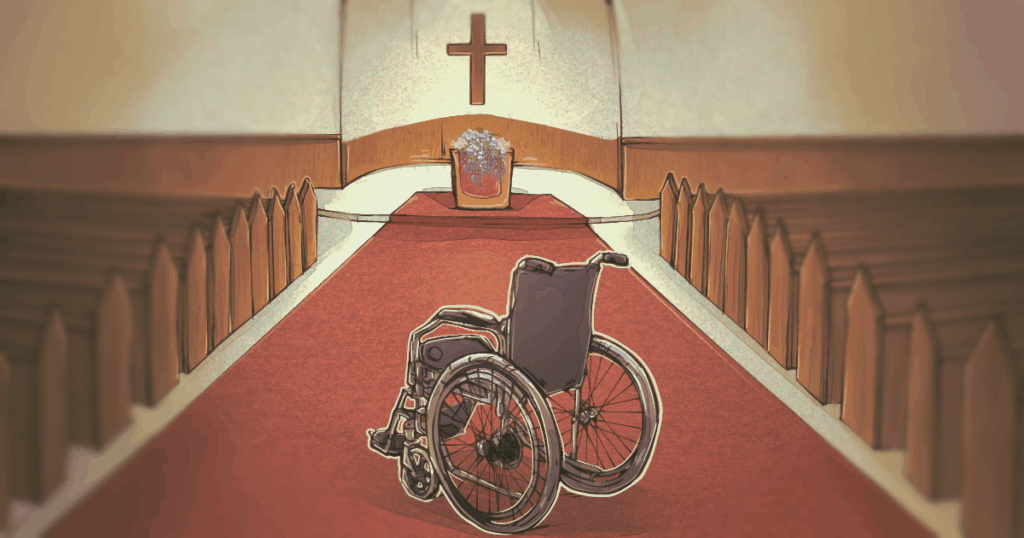
- Designating spots for people who may need extra space for mobility aids
- Offering fidget items or sensory tools for those who benefit from them
- Including content notes before potentially intense scripture, stories, or videos
Small changes can make a big difference in helping people remain engaged and comfortable throughout worship.
Quick Checklist:
Autonomy, Comfort, & Flexibility
- We trust people to know their own needs and limits.
- Movement, pacing, and stepping out are welcomed without comment.
- We offer multiple seating and posture options.
- Our worship language invites choice, not pressure.
- We make space for sensory comfort and sensory regulation.
- We avoid assumptions about ability, energy, or behavior.
- We provide low-pressure pathways to participate in ministry or service.
- We honor energy limits and avoid guilt-based invitations.
Resources for Further Learning
- Partner with Local Disability Rights Orginizations
ASAN resource library - Journal of Psychology and Theology
Autistic and Non-Autistic Experience of the Sensory Aspects of the Church Service - Journal of Catholic Education
The Absence of Asterisks: The Inclusive Church and Children With Disabilities - Disability Ministry Network
Worship for the Whole Body
These resources can help your congregation explore the deeper practices of autonomy and flexibility — and discover new ways to make worship and community life truly accessible.