Emergency planning is an essential part of accessibility. Disabled people, older adults, children, and anyone with mobility, sensory, medical, or cognitive needs must be included in evacuation, shelter, and safety procedures. A church that prepares well not only meets legal and safety obligations — it communicates care, dignity, and commitment to every member of the community.
This page outlines accessibility-centered emergency preparedness practices and maintenance routines that keep the building safe, functional, and welcoming for all.
Why Emergency Preparedness Matters for Accessibility
Emergencies can escalate quickly. Without clear planning, disabled people face disproportionate risks during evacuations, severe weather, power outages, or medical incidents. Thoughtful preparation ensures everyone can respond safely and confidently.
Emergency accessibility supports:
- People using wheelchairs, scooters, walkers, or mobility aids
- People with low vision, blindness, or hearing differences
- Individuals with chronic illness or medical equipment
- Neurodivergent individuals who need predictable routines and clear instructions
- People who cannot use stairs or require assisted evacuation
- Children, older adults, and those unfamiliar with the building
A safe church is a prepared church.
Evacuation Planning
with Accessibility in Mind
Emergency evacuation routes should be usable by people with diverse needs — not only those who can walk quickly or climb stairs.
Evacuation accessibility includes:
- Clearly marked, high-contrast exit signs with arrows
- Exit routes free of obstacles, storage, or clutter
- Accessible routes that lead directly outdoors without requiring stairs
- Backup evacuation chairs or devices for stair-only exits
- Designated assistance roles for those who volunteer to support disabled congregants
- Paved or smooth surfaces from exits to assembly areas
- Exterior areas that are accessible for wheelchairs and mobility devices
If the “accessible exit” is blocked, cluttered, or not maintained, it is not accessible.
Emergency Information, Instructions, & Communication
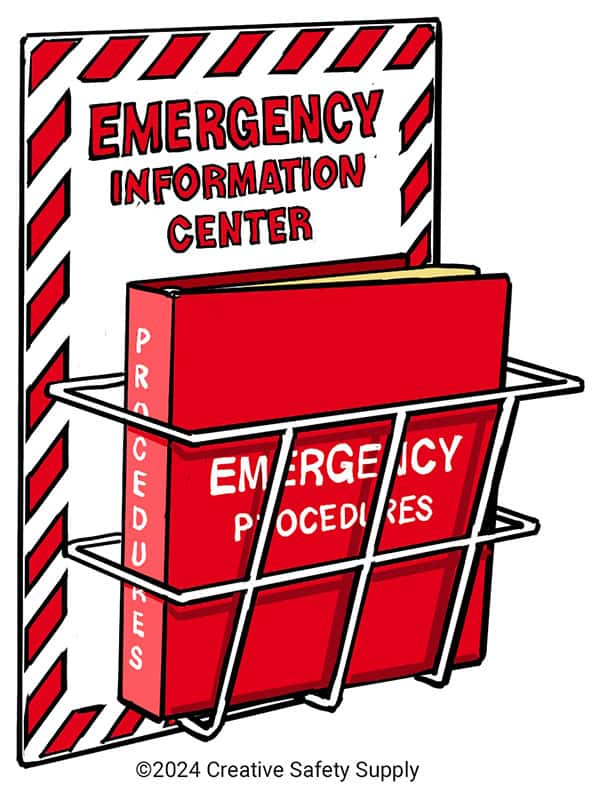
Instructions should be visible, plain-language, and communicated in multiple formats. Everyone — especially visitors — should know what to do.
Effective emergency communication includes:
- Large-print, high-contrast evacuation maps posted in hallways and rooms
- Simple written steps for fire, severe weather, or medical emergencies
- Training for ushers, staff, and volunteers on assisting disabled people
- Visual alarms (flashing lights) for people who are Deaf or hard-of-hearing
- Clear spoken announcements in emergencies
- Digital versions of emergency plans available online
- Color-coded, pictorial instructions for children or people who prefer visual supports
Communication should lower stress — not create confusion.
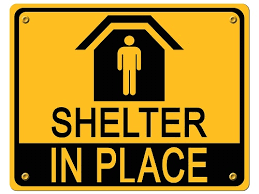
Shelter-in-Place & Severe Weather Protocols
Many regions experience tornadoes, storms, extreme heat, or other events that require sheltering inside.
Ensure severe-weather areas are:
- Accessible from all main gathering spaces
- Large enough to accommodate mobility devices
- Free of clutter or storage items
- Well-lit with accessible seating
- Equipped with battery backup lighting during power loss
- Marked with high-contrast signage
People should never have to navigate tight stairwells or inaccessible basements to reach safety.
Medical Emergencies & Health Considerations
Your church should have:
- Accessible first-aid kits mounted at reachable heights
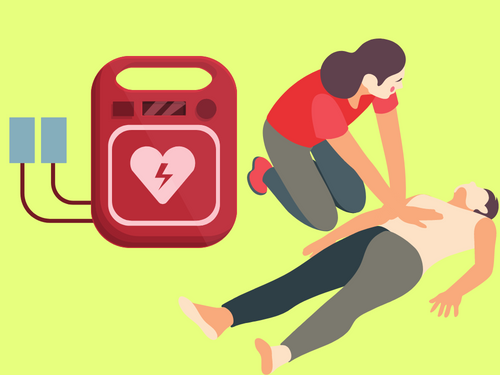
- AED devices in locations reachable by wheelchair users
- Training for volunteers in AED use and basic first aid
- Clear protocols for calling emergency services quickly
- Knowledge of shelter areas for people who may become overstimulated or need quiet
- Procedures for assisting people with service animals during emergencies
Accessibility in emergencies is not optional — it is life-saving.
Routine Maintenance for Safety & Accessibility
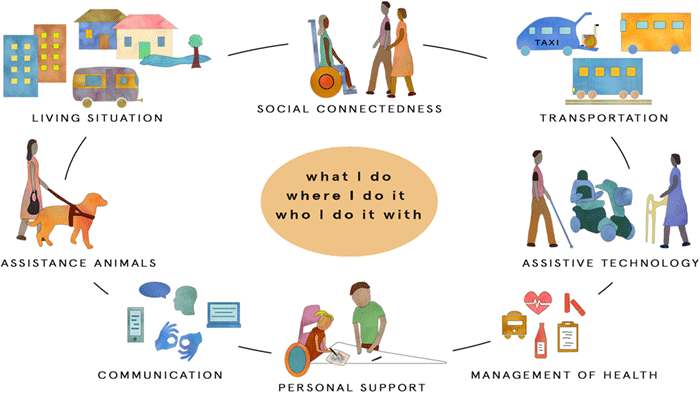
Maintenance is a massive part of accessibility. Even the best-designed building becomes inaccessible if items break, fade, or fall into disrepair.
Regular maintenance should include:
- Replacing burned-out light bulbs immediately
- Checking exit signs for visibility and illumination
- Ensuring ramps and railings are secure and free of ice or debris
- Fixing broken sidewalks, cracks, or loose tiles
- Maintaining HVAC systems for healthy airflow
- Checking batteries in emergency lighting and alarms
- Monitoring clutter in hallways and around exits
- Inspecting accessibility equipment (automatic doors, lifts, ramps) regularly
Maintenance communicates respect: “We care about your safety, and we’ve prepared this space for you.”

Emergency Drills & Volunteer Training
Training ensures that in an emergency, people respond with steadiness and clarity. Drills also help congregations identify barriers they may not notice otherwise.
Emergency training should cover:
- Guiding people with mobility disabilities
- Assisting people who cannot use stairs
- Supporting autistic or sensory-sensitive individuals during alarms
- Helping people who use service animals
- Keeping evacuation routes clear and safe
- Providing reassurance and clear instructions
Compassion and preparation work together.
Real-Life Scenarios
Scenario 1: Accessible exit is blocked
Problem: Folding tables and boxes are stored in front of the accessible door.
Better practice: Keep all exit routes clear at all times and designate alternative storage areas.
Scenario 2: Fire alarm has no visual signal
Problem: Deaf members do not notice the auditory alarm.
Better practice: Install both flashing alarms and sound alarms for multisensory alerts.
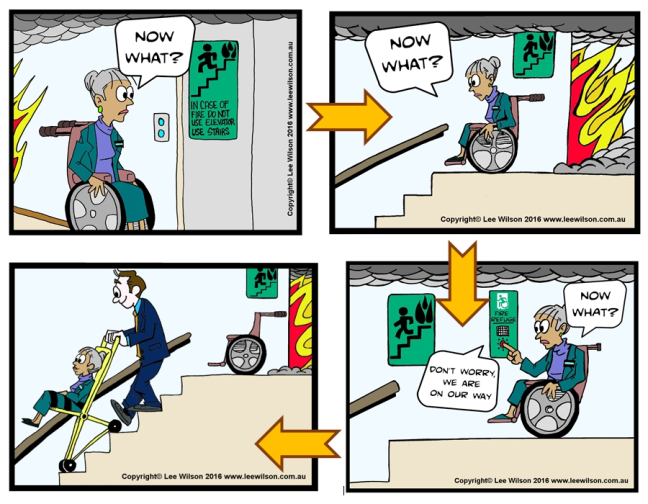
Scenario 3: No evacuation plan for people who cannot use stairs
Problem: A wheelchair user is trapped during a drill.
Better practice: Establish trained volunteers with evacuation chairs or identify accessible ground-level exits.
Scenario 4: Maintenance neglected
Problem: A broken ramp railing creates fall risks.
Better practice: Include accessibility features in routine building inspections.
Quick Checklist:
Emergency Preparedness & Maintenance
- Evacuation routes are accessible, well-lit, and clearly marked.
- Exit signage uses high contrast and directional arrows.
- Maps and instructions are posted in visible, accessible locations.
- Volunteers are trained in disability-inclusive emergency assistance.
- Visual alarms support Deaf and hard-of-hearing individuals.
- Maintenance routines keep safety features in working order.
- Ramps, lifts, and door openers are regularly inspected.
- Emergency equipment (AED, first aid kits) is placed at accessible heights.
- Clutter-free hallways and exits are maintained at all times.
- Shelter-in-place areas are accessible from all major rooms.
Resources & Further Guidance
- U.S. Department of Justice
ADA Emergency Planning - FEMA
Preparing for Disaster for People with Disabilities and other Special Needs - Red Cross
Disaster Safety for People with Disabilities
A strong emergency plan ensures that in moments of crisis, disability does not become a barrier to safety. When churches prepare inclusively, they communicate: “Your safety matters. Your life matters. You belong here — and we are ready to care for you.”