Leadership shapes culture. When disabled people are engaged as leaders, decision-makers, planners, and representatives of the community, the church becomes a more truthful expression of the body of Christ. Inclusive leadership not only reflects the diversity of God’s people — it actively shapes a culture of belonging, equity, and shared power.
This page explores how congregations can build leadership structures that honor disabled voices, cultivate representation, and transform the church through shared authority and mutual flourishing.
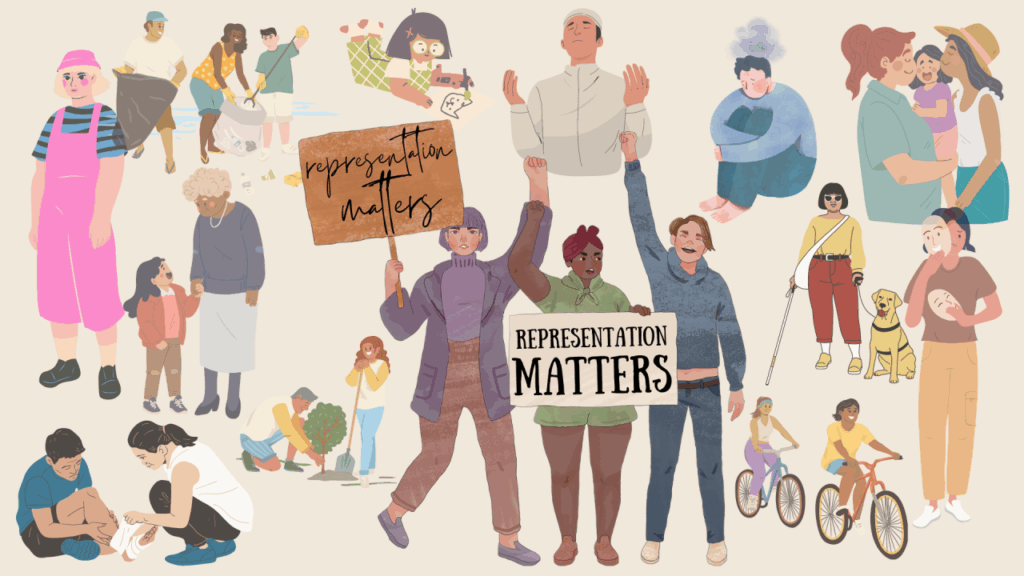
Why Representation in Leadership Matters
Disabled people have often been talked about, ministered to, or planned for — but rarely included in decision-making roles. When disabled people participate fully in leadership, it shifts the culture from “serving them” to building community with one another.
- Representation ensures disabled voices shape priorities and decisions.
- Leadership grounded in lived experience leads to more effective accessibility practices.
- Diverse leadership challenges stereotypes, tokenism, and segregation.
- The community sees disability as part of its identity, not an issue to address.
Representation is not symbolic — it is transformative.
Moving Beyond Tokenism
Tokenism happens when a disabled person is placed in a leadership role without real influence, support, or authority. Inclusive leadership is the opposite: meaningful participation, shared power, and structural inclusion.
Characteristics of true inclusion:
- Disabled leaders are listened to and their recommendations shape decisions.
- Leadership expectations and responsibilities are flexible and accessible.
- The community adapts structures, communication, and meeting practices to enable full participation.
- Multiple disabled people are involved — not a single “representative.”
Inclusion grows when the burden of representation does not fall on one person alone.
Building Accessible Leadership Structures
Leadership becomes accessible when meetings, communication, expectations, and participation are intentionally designed with disabled leaders in mind.
Accessibility considerations for leadership roles:
- Flexible meeting formats: hybrid options, Zoom, call-in numbers, or asynchronous input
- Accessible documents: plain language, readable formats, alt-text, captions
- Predictable schedules: agendas sent early; decisions shared afterward in writing
- Accessible meeting spaces: clear sightlines, comfortable seating, sensory accommodations
- Breaks and pacing: time-aware meetings that avoid fatigue
- Accommodations: interpreters, transcription, assistive listening systems, or quiet space

Leadership should be structured so that disabled people do not have to fight barriers in order to serve.

Recruiting & Supporting Disabled Leaders
Representation grows when congregations actively invite disabled members into leadership and provide the support needed for them to thrive.
Effective practices include:
- Personally inviting disabled members into leadership roles
- Recognizing leadership strengths outside traditional norms (e.g., lived experience, relational wisdom)
- Offering mentorship or co-leadership models
- Providing training on accessibility, communication, and shared decision-making
- Ensuring leadership expectations are realistic and communicated clearly
Support should be built into the structure, not dependent on individual goodwill.
Representation Matters in Visual, Public, & Symbolic Spaces
Representation is not only about who sits on committees — it is also about who appears in worship leadership, website photos, teaching materials, and public-facing roles.
- Include disabled people in worship roles (lectors, communion assistants, musicians, readers).
- Use diverse photos on the website, social media, and printed materials.
- Highlight disabled voices in testimonies, newsletters, and stories when they choose to share.
- Ensure alt-text, captions, and accessible design are used for all digital content.
- Create worship environments where disabled leadership is expected, not exceptional.
Visual representation shapes imagination — and imagination shapes belonging.
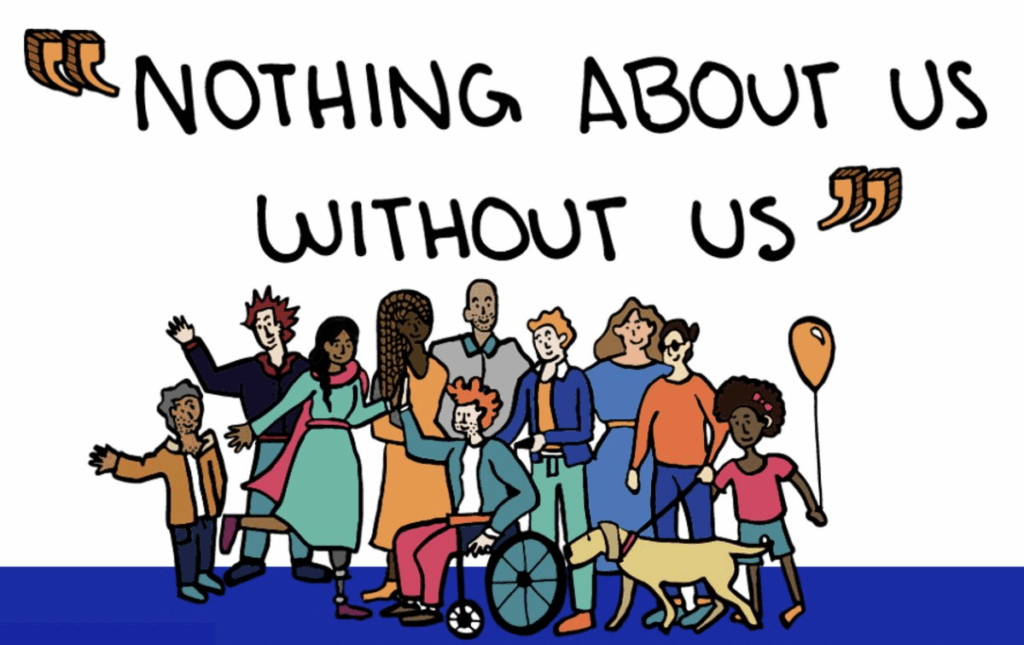
Shared Power, Not Separate Programs
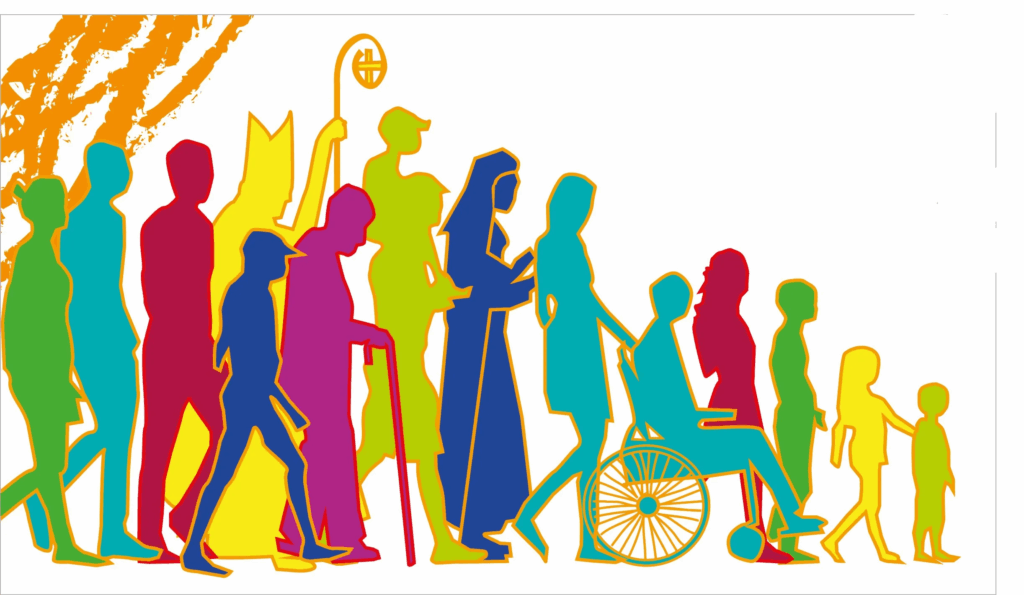
Disabled people should not be siloed into separate ministries or “special needs programs.” Inclusive leadership integrates disabled people into every dimension of church life.
Shared power looks like:
- Committees, councils, and boards with disabled members
- Planning teams that include disabled congregants from the beginning
- Accessibility decisions made collaboratively, not by nondisabled gatekeepers
- Budgeting processes that include accessibility priorities shaped by disabled voices
Representation strengthens the church’s faithfulness and integrity.
Real-Life Scenarios
Scenario 1: A disabled member joins the worship team
Impact: The congregation sees disability as part of its collective identity, not something separate.
Scenario 2: The council restructures meetings to be hybrid
Impact: Members with chronic illness or mobility limitations can serve fully without compromising health.
Scenario 3: Leadership committees consult disabled members before renovations
Impact: Accessibility is designed into the plan from the beginning, not added as an afterthought.
Quick Checklist:
Inclusive Leadership & Representation
- Disabled people are invited to participate in leadership roles.
- Leadership structures are flexible, accessible, and predictable.
- Multiple disabled leaders contribute to planning and decision-making.
- Meetings, documents, and communication are accessible to all participants.
- Representation is visible in worship leadership, media, and public roles.
- Disabled leaders have influence — not symbolic positions.
- Leadership reflects the diversity of the body of Christ.

Resources & Further Guidance
- Chrisitian Reformed Church
Everybody Belongs, Serving Together - Multiplying Leaders Multiplying Churches
Diversity in Church Leadership: Why It Matters and How to Achieve It - International Leadership Association
Inclusive Leadership: Equity and Belonging in Our Communities
Inclusive leadership transforms the church from a community that simply welcomes disabled people into one where disabled people shape the heart, direction, and mission of the congregation itself.