
Accessibility is not a one-time project — it is an ongoing commitment to justice, equity, and the flourishing of all people. Churches are called to participate in God’s work of liberation by confronting ableism, repairing harm, advocating for systemic change, and building communities where disabled people can fully belong. Justice-centered accessibility moves the church from reactive accommodation to proactive transformation.
This page explores how congregations can root their accessibility work in long-term justice commitments, advocacy partnerships, and faithful accountability.
Why Disability Justice Belongs in the Church
Disability justice is a framework developed by disabled activists of color that highlights intersectionality, collective liberation, and the value of every body and mind. Grounding church accessibility in disability justice helps congregations:
- Move beyond compliance or “doing good” toward structural equity
- Understand disability as a social, cultural, and political experience
- Acknowledge the historical harm many churches have caused disabled people
- Center leadership from disabled people and multiply marginalized communities
- Commit to practices that repair unjust systems rather than work around them
Disability justice deepens the church’s discipleship and shapes its public witness.
Confronting Ableism as a Faith Practice
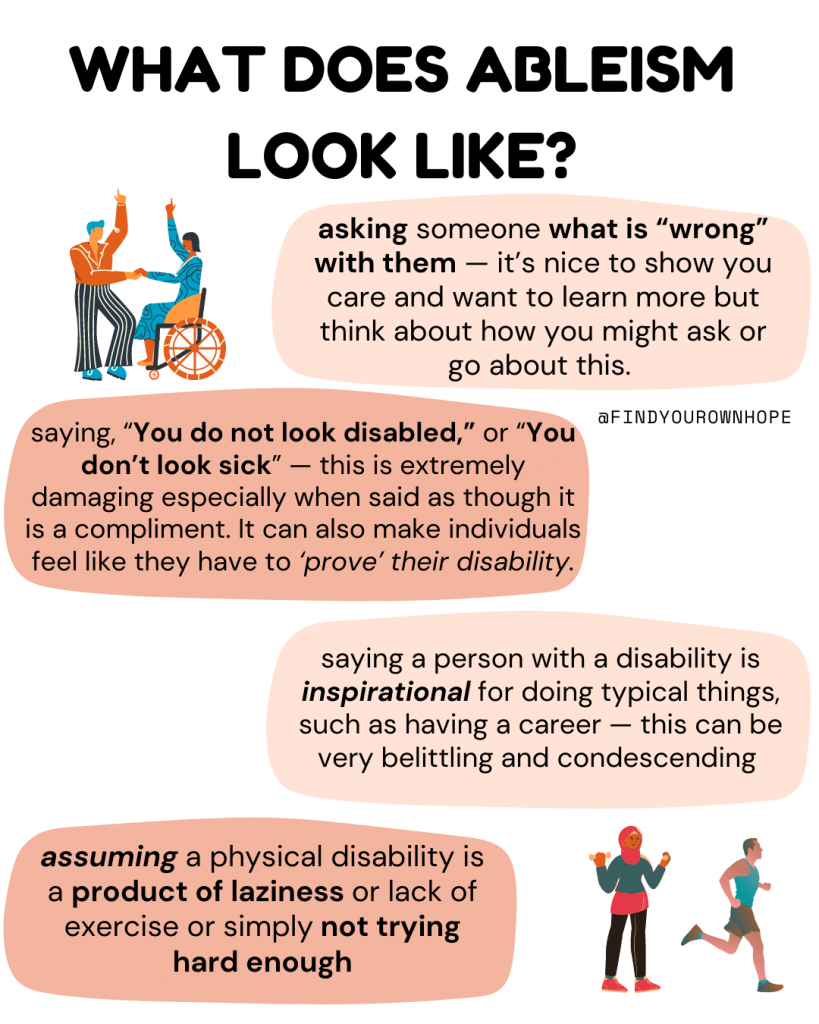
Ableism is woven into the assumptions, habits, and structures of many communities. Confronting ableism is part of the work of discipleship and spiritual growth.
Faithful communities commit to:
- Examining harmful narratives around healing, dependence, and worth
- Addressing discriminatory attitudes in teaching, leadership, and daily life
- Challenging pity, charity, or “inspiration” narratives
- Practicing confession and repair when harm is caused
- Reforming policies that limit participation
Confronting ableism is an act of love, honesty, and communal healing.
Access as an Ongoing Commitment
Accessibility cannot be reduced to one project or renovation. It requires continual learning, accountability, and resource allocation.
Long-term commitment includes:
- Regular accessibility audits with clear follow-up steps
- Annual budget allocations for accessibility improvements
- Leadership training on disability equity and justice
- Clear accountability structures that track progress
- Revisiting and updating policies every 1–2 years
- Publicly communicating the congregation’s accessibility commitments
Commitment builds trust — especially for those who have been marginalized or harmed by churches in the past.
Advocacy Inside and Beyond the Church
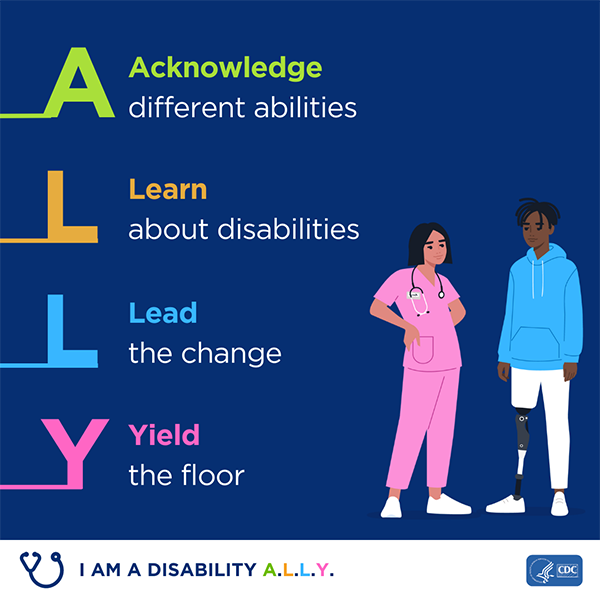
Justice work does not stop at the church door. Congregations can join larger movements for disability rights, inclusion, and equity.
Advocacy work may include:
- Educating congregants on disability rights and policy issues
- Supporting local, state, or national disability legislation
- Partnering with disability-led organizations and coalitions
- Using church platforms to amplify disabled voices
- Providing civic education on voting access, public transit, or community services
Advocacy is a form of public discipleship — loving neighbors through action and solidarity.

Intersectional Justice
Disabled people live at the intersections of race, gender, class, sexuality, immigration status, and more. Justice commitments must reflect these overlapping experiences.
Intersectional justice includes:
- Recognizing how racism, sexism, LGBTQ+ discrimination, classism, and ableism interact
- Supporting disabled people who experience multiple forms of marginalization
- Building partnerships with justice organizations led by people of color, queer communities, and immigrant groups
- Ensuring policies, sermons, and education reflect intersectional realities
An intersectional approach reflects the fullness and complexity of the body of Christ.
Repair & Accountability
Many disabled people carry wounds from previous church experiences — exclusion, humiliation, spiritual abuse, or complete invisibility. Justice requires acknowledging harm and committing to repair.
Repair work may involve:
- Listening sessions facilitated by disabled leaders
- Public apologies or written commitments to change
- Updating policies or procedures that caused harm
- Rebuilding trust through consistency, transparency, and follow-through
- Creating safe reporting channels for concerns or discrimination
Accountability strengthens credibility and communicates sincere commitment.


Disabled Leadership in Justice Work
Justice efforts must be shaped by disabled people — not simply on behalf of them. Disabled leadership keeps justice-rooted accessibility grounded in lived experience.
Healthy leadership structures include:
- Disabled people serving on justice teams or committees
- Co-leading community advocacy efforts
- Guiding accessibility priorities in mission and policy work
- Providing training, theological insight, or policy recommendations
Shared leadership ensures that justice efforts reflect disabled people’s wisdom and priorities.
Real-Life Scenarios
Scenario 1: An accessibility request is repeatedly delayed
Problem: Disabled members feel ignored and undervalued.
Better practice: Create a clear timeline, budget line, and communication plan for accessibility improvements.
Scenario 2: Church members use the word “inspirational” to describe disabled people’s presence
Problem: The community reinforces ableist stereotypes.
Better practice: Provide education on harmful narratives and celebrate disabled leadership rather than inspiration-based messages.
Scenario 3: Outreach events reinforce charity models
Problem: Disabled people are framed as “objects of service.”
Better practice: Partner with disability-led groups and emphasize dignity, mutuality, and equity.
Quick Checklist:
Justice, Advocacy, & Commitment
- The congregation actively identifies and addresses ableism.
- Accessibility is supported by ongoing budget and leadership commitment.
- Justice efforts are shaped by disabled leaders and community members.
- Advocacy extends beyond the church into local and national issues.
- The church practices repair, accountability, and transparency.
- Intersectional justice informs teaching, policy, and public engagement.
- Accessibility and justice are communicated as spiritual commitments.

Resources & Further Support
- Disability Visibility Project
Stories and resources from disabled activists shaping justice work.
Visit DVP - Autistic Self Advocacy Network (ASAN)
Advocacy and disability rights resources grounded in self-determination.
ASAN - ADA National Network – Disability Rights Resources
Understanding legal frameworks and civil rights protections.
ADA National Network - Books by Disabled Theologians:
Nancy Eiesland, Thomas Reynolds, Sharon Betcher, Amy Kenny — key works on justice, theology, and disability.
Justice, advocacy, and long-term commitment transform accessibility from a project into a way of life. When congregations center disabled people in their justice work, the church reflects God’s call to liberation, repair, and beloved community.