Belonging grows where people feel safe. Privacy, consent, and boundaries help create that safety. Many disabled people have experienced environments where their stories were shared without permission, where strangers touched them without asking, or where their needs became community gossip. A church committed to belonging must actively choose a different way: one rooted in respect, autonomy, and trust.
This page offers guidance, examples, and resources to help your community build a consent-honoring culture where everyone’s dignity is treated as sacred.
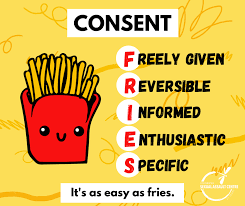
Why It Matters
Consent is more than a form to sign. It is a way of recognizing the image of God in each person.
When privacy or consent is not respected, people may feel:
- Exposed or embarrassed
- Infantilized or disempowered
- Unsafe sharing needs or prayer requests
- Reluctant to ask for accommodations again
- Pushed away from community involvement
- Triggered or overwhelmed, especially if they have trauma histories
For many disabled members, these experiences are common. When churches honor clear boundaries, they offer something rare and healing: a place where people are treated as whole, capable, and worthy of control over their own stories.
Asking Before Offering Help
What This Looks Like
Many disabled people receive unwanted physical help from well-meaning strangers. Pushing a wheelchair without asking, grabbing someone’s arm, or assuming someone cannot perform a task can feel disrespectful or even dangerous.
Practice
Always ask first.
- “Do you want help with the door?”
- “Would you like an arm for balance, or are you okay?”
- “Can I carry anything for you?”
If the person says no, accept it with kindness.
Why It Matters
Asking signals that the person is the expert on their own body and needs. It prevents injury and avoids assumptions.


Prayer Requests, Stories, &
Personal Information
The Issue
Churches often share prayer updates or care requests publicly. Personal stories, however, belong to the person who lived them.
Best Practice
- Ask permission before adding someone’s name or situation to a prayer list.
- Clarify how much detail they want shared and who should receive it.
- If you are unsure, share less information rather than more.
Examples
Instead of:
“Please pray for Sarah, who had a seizure Sunday morning.”
Try:
“We lift up a member who is recovering and asks for prayer.”
Or use the exact wording the person chooses for themselves.
Why It Matters
Oversharing can break trust, create shame, or expose private health information. Respecting what someone chooses to share, and with whom, is a key part of emotional safety.
Photos, Videos, and Livestreaming
Guideline
A person’s image is personal information. Consent to be photographed is not the same as consent to be posted online.
Practices
- Ask before taking photos of individuals or small groups.
- Ask again before posting or sharing photos or videos online.
- Provide visual cues like “no-photo” stickers or lanyards.
- Announce at the beginning of worship if you are recording or livestreaming.
Example Script
“We are taking photos for our newsletter. Would you like to be in one? It is completely okay if you would rather not.”
Why It Matters
For disabled individuals, photos may reveal mobility devices, communication methods, or other information they prefer to keep private. Clear consent practices allow people to choose how visible they want to be.

Confidentiality Around Accommodations and Diagnoses
What to Avoid
- Explaining someone’s diagnosis to other members or volunteers without permission.
- Announcing why a person uses ASL, alternative seating, or a quiet room.
- Discussing someone’s mental health history as “context” for their behavior.
Better Approach
Use non-identifying language wherever possible:
- “A member requested this accommodation.”
- “This setup supports accessibility needs.”
Let the person decide what they want others to know and how they want it shared.
Resources for Further Support
- Disability Visibility Project: Stories that highlight privacy, autonomy, and agency.
- Autistic Self Advocacy Network (ASAN): Resources on consent, boundaries, and respectful support.
- RAINN – What Is Consent: Clear explanation of consent that can be adapted for church contexts.
- Mental Health First Aid: Guidance on boundaries in supportive relationships.
Reflection and Next Steps
Privacy and consent are not just administrative tasks. They are spiritual commitments to honoring the sacredness of each person’s story. This work takes time, learning, and consistency, but the impact is profound.
As your community learns and grows, return often to this question:
“Do our practices communicate safety, dignity, and choice for everyone who walks through our doors?”