
Belonging grows when people feel safe to share what they need and confident that their church will listen with care. Many disabled people avoid making requests because they have been ignored, dismissed, or shamed in the past. A community committed to accessibility makes requesting support simple, respected, and welcome — and treats feedback as a gift, not a burden.
This page provides practical guidance for receiving, responding to, and honoring accessibility requests and feedback with compassion, accountability, and transparency.
Why Requests & Feedback Matter
Accessibility is not static. People’s needs change over time, and each person experiences access in a different way. A church that welcomes requests and feedback creates a culture where members know their voices matter and their comfort and safety are taken seriously.
Without clear pathways for requests, people may:
- Stay silent about barriers that make participation difficult
- Assume their needs are “too much trouble”
- Leave church events early or stop attending altogether
- Feel embarrassed or ashamed for needing support
- Experience isolation or spiritual disconnection
Accessible feedback systems help congregations grow, address gaps, and embody a more loving, just, and responsive community life.

Creating Safe Ways to Request Support
People should be able to request accommodations or support without needing to justify or explain their disability. Requests should be met with gratitude and clarity, not suspicion or pressure.
Ways to make requests accessible:
- Multiple request methods: online forms, email, text/SMS, in-person conversations, and paper forms
- Clear instructions: how to request support, when to do it, and whom to contact
- Low-barrier processes: no long explanations required; focus on the support needed, not diagnosis
- Timely responses: acknowledging the request within a clear timeframe
- Privacy & confidentiality: only those who need to know receive the information
At its core, a request system communicates: “Your needs are welcome here.”
Receiving Feedback With Care
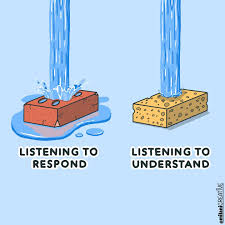
Feedback helps churches uncover barriers they may not see from the inside. Receiving feedback well is an act of humility and an invitation into deeper community.
Best practices for receiving feedback:
- Listen without defensiveness
- Thank the person for trusting you with their experience
- Recognize the emotional labor involved in speaking up
- Avoid minimizing (“That’s not a big deal”) or over-spiritualizing (“God is teaching us patience”)
- Clarify next steps and who will follow up
Feedback is an opportunity to practice accountability and build trust — especially with people who have been harmed or overlooked in church settings.

Multiple Pathways for Requests & Feedback
A single communication channel excludes many people. Offer multiple access points so everyone can use what works for them.
Examples:
- Online accessibility request form with simple, plain-language questions
- Paper request forms available in worship spaces and classrooms
- Dedicated accessibility email monitored by a trained leader or team
- SMS/text option for quick questions or support needs
- Anonymous feedback box in a central location
- QR codes linking directly to digital forms
- Direct contact person listed by name, title, phone/text, and email
Publishing these options regularly (bulletin, website, announcements) reinforces that requests are expected and valued.
Responding to Requests & Feedback
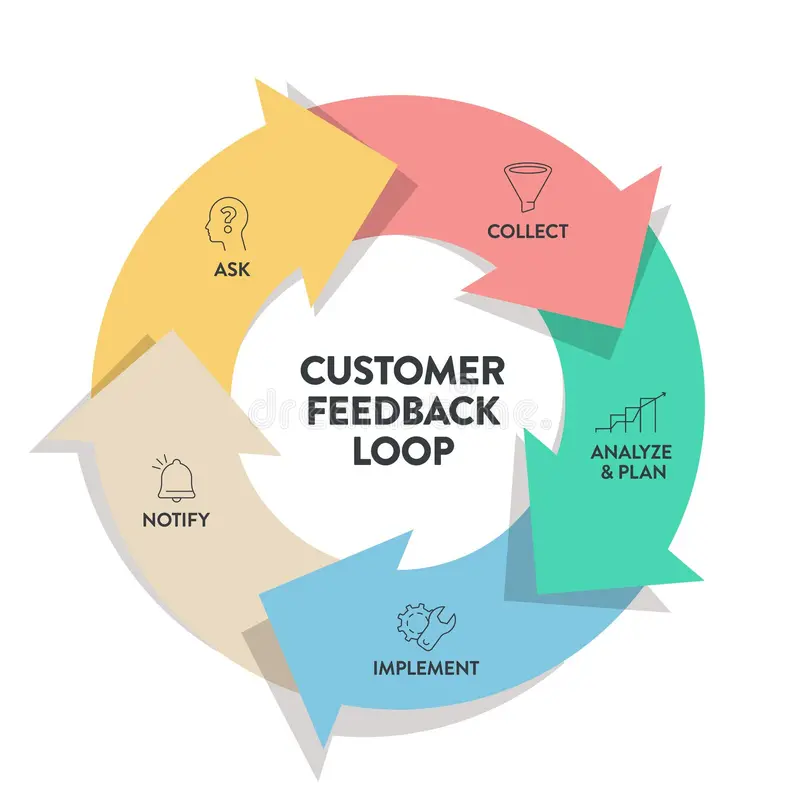
How a church responds to a request is as important as the request itself. Responses should be respectful, prompt, and transparent.
A healthy response includes:
- Acknowledgment: “Thanks for letting us know. We’re glad you reached out.”
- Clarification if needed: “Here is what we understand your request to be…”
- Next steps: What will happen, who will do it, and when
- Honesty: If something is not immediately possible, explain the limits without shutting down the conversation
- Follow-up: Checking in after changes are made
Clear communication prevents confusion, shows respect, and helps build trust over time.

Handling Barriers & Denials with Compassion
Sometimes a requested accommodation cannot be provided exactly as stated. Even then, disabled people should still be met with care, not dismissal.
When something cannot be done exactly as requested:
- Explain the specific barrier (not vague “we can’t do that”)
- Offer alternatives whenever possible
- Avoid implying that the person’s need is unreasonable
- Affirm the person’s dignity and place in the community
- Document the concern so it can be revisited when resources allow
Even when a solution is imperfect, the process can still communicate love and belonging.
Real-Life Scenarios
Scenario 1: Missed Follow-Up
What happened: A member requested large-print materials but never received them.
Impact: The person felt ignored and stopped asking for support.
Better practice: Create a simple tracking system for requests and assign responsibility for follow-up.
Scenario 2: Feedback About a Barrier
What happened: A member shared that lighting during worship causes migraines.
Impact: Leaders brushed it off as “just personal preference.”
Better practice: Thank the person, explore options (adjusted lights, seating area, sunglasses accepted), and follow up directly.
Scenario 3: Request for Sensory Break Space
What happened: A family with a neurodivergent child asked for a quiet space during worship.
Impact: They felt guilty for asking.
Better practice: Offer the space, post signage, and let families know it is available without judgment.
Quick Checklist:
Requests & Feedback
- We provide multiple ways to request accommodations (online, text, email, paper).
- We offer anonymous feedback options for safety and privacy.
- We respond to requests quickly, kindly, and with transparency.
- We treat feedback as a valuable tool for growth, not criticism.
- We avoid requiring medical documentation or personal disclosure.
- We communicate follow-up steps clearly and respectfully.
- We publicly share improvements made based on community feedback.
- We review our feedback and request systems regularly to remove barriers.

Resources for Further Learning
- Church Staffing
Creating a Culture of Feedback in Church - Discipleship.org
How to Give Helpful Pastoral Criticism - Lewis Center for Church Leadership
The Power of Five Questions
Feedback without the Pain
Feedback and requests are pathways to deeper belonging. When churches respond with care and humility, they communicate that every person’s voice matters — not just in theory, but in practice.