
Accessible restrooms and changing areas are essential for dignity, comfort, and full participation in church life. When restrooms are hard to find, difficult to use, or not designed with disabled people in mind, they become a barrier to worship, fellowship, and belonging. A truly welcoming church ensures these spaces are safe, private, and usable for all people — including those with mobility disabilities, chronic illness, neurodivergent needs, caregivers, parents, and people of all genders.
This page provides practical guidance for creating accessible restrooms and changing areas that support safety, privacy, ease of use, and dignity for all users. The examples included here reflect only a selection of key ADA requirements. For the full set of standards and technical details, please refer to the official ADA Standards for Accessible Design linked throughout this section.
Why Accessible Restrooms Matter
People often decide how long they can stay in a space based on whether the restroom is accessible. Inaccessible restrooms create discomfort, anxiety, health risks, and exclusion — sometimes preventing people from attending at all.
Accessible restrooms support:
- People using wheelchairs, scooters, walkers, or mobility aids
- People with chronic pain or limited stamina
- Parents and caregivers assisting children or adults
- People using colostomy or urostomy bags
- Neurodivergent individuals needing quiet or predictable environments
- People of all genders who need private, single-user spaces
Restrooms are not an afterthought — they are a core part of accessibility and hospitality.
Key Features of Accessible Restrooms
Your church should have at least one fully accessible, clearly marked restroom that meets physical, sensory, and privacy needs.
Minimum accessibility features:
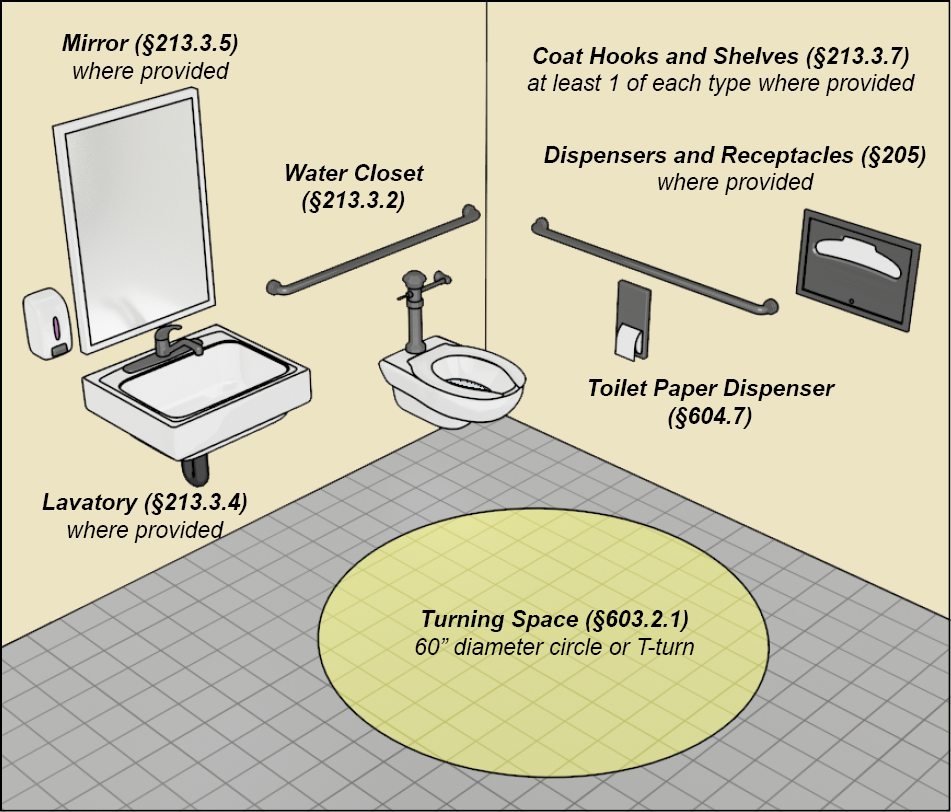
- Wide doorways (at least 32 inches clear width)
- Easy-to-use handles (lever handles or automatic doors)
- Clear floor space for turning mobility devices (5-foot turning radius)
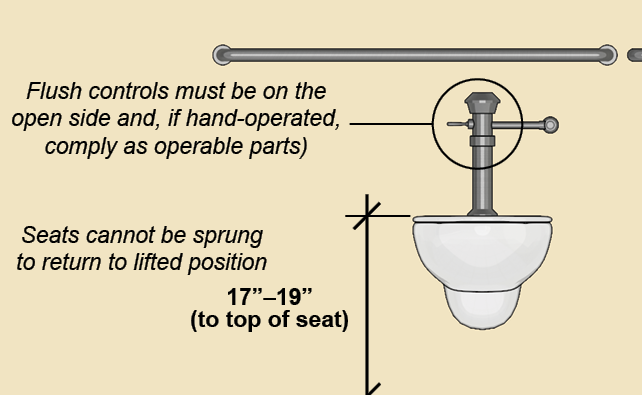
- Grab bars near toilets (side and rear bars preferred)
- Comfort-height toilets with safe transfer space
- Sink knee clearance that accommodates wheelchairs or seated users
- Reachable soap dispensers, towels, and trash bins
- Non-slip flooring free of clutter, mats, or tripping hazards
Design restrooms for real-world use, not only technical compliance.
Family, Caregiver, & Gender-Inclusive Restrooms
Many children, adults with disabilities, and caregivers benefit from private restrooms where assistance is possible and privacy is protected.
Helpful features include:
- Single-user restrooms available to all genders
- Doors that lock securely for safety
- Space for caregivers to assist adults with mobility or personal care needs
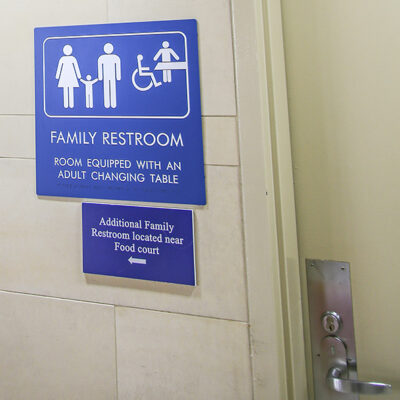
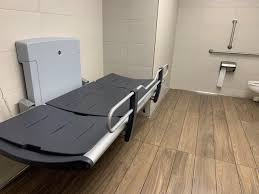
- Adult-sized changing benches or sturdy surfaces (not just baby tables)
- Low-stimulation options for neurodivergent individuals who need quiet
- Clear signage using words and symbols (not only gendered icons)
Inclusive restrooms support dignity for families, disabled adults, and gender-diverse people alike.
Changing Areas (Child & Adult Needs)
Many churches only provide baby changing stations, which do not meet the needs of older children or adults who require assistance.
Best practices:
- Provide an adult-sized changing table or bench in at least one restroom
- Ensure privacy with a locking door and adequate space
- Provide sturdy grab bars near changing areas
- Ensure a clean, sanitized surface and accessible supplies nearby
- Make cleaning materials easy to locate for families and caregivers
Changing areas should be safe, clean, private, and respectful of people’s physical needs.
Sensory Considerations in Restrooms
Restrooms can be overwhelming for people sensitive to sound, smell, or lighting.
To create sensory-considerate restrooms:
- Use soft-close lids where possible
- Avoid bright flickering lights
- Ensure consistent, warm lighting
- Use minimal or unscented cleaning products
- Reduce loud hand dryers (or provide towel options)
- Provide a simple visual schedule or “step-by-step” picture cues for children or adults who benefit from them

Real-Life Scenarios
Scenario 1: Restroom too small for mobility devices
Problem: A person using a wheelchair cannot turn or approach the toilet safely.
Better practice: Provide an accessible restroom with adequate turning radius and clear transfer space.
Scenario 2: Caregiver needs to help an adult family member
Problem: Gendered multi-stall restrooms force caregivers to choose between violating norms or leaving someone without help.
Better practice: Provide a private, single-user restroom open to all genders.
Scenario 3: Only baby changing tables available
Problem: Caregivers of older children or adults have no safe changing option.
Better practice: Install adult-appropriate changing benches or portable adjustable tables.
Scenario 4: Restroom overwhelms sensory-sensitive individuals
Problem: Loud dryers, bright lights, or strong smells trigger distress.
Better practice: Provide sensory-friendly lighting, towel options, and minimal scents.
Quick Checklist: Restrooms & Changing Areas
- Accessible restroom available with wide door and clear turning space
- Grab bars, accessible sinks, and reachable supplies
- Single-user restroom available to all genders
- Adult and baby changing options
- Non-slip, clean, and well-maintained floors
- Sensory-considerate lighting and noise options
- Clear signage and wayfinding from entrances and hallways
- No storage, clutter, or blocked pathways in restrooms
Resources & Further Guidance
- ADA National Network
ADA Checklist for Existing Facilities - Guide to the ADA Accessibility Standards
Chapter 6: Toilet Rooms
Accessible restrooms and changing areas uphold dignity, safety, and autonomy. When churches invest in these spaces, they create an environment where all people can stay, participate, and belong without fear or discomfort.